
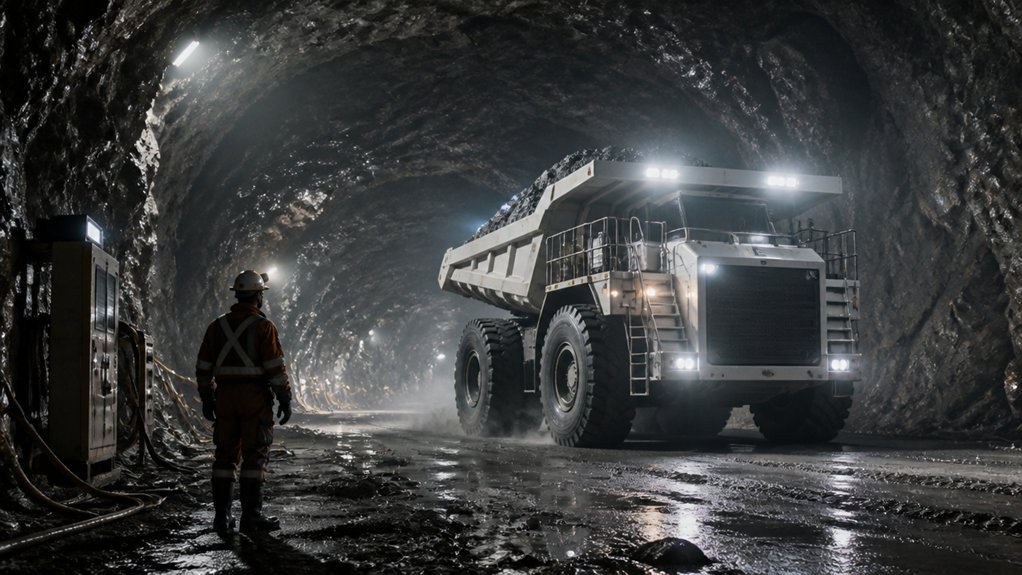
Electric mining equipment replaces diesel engines with grid-powered or battery-electric drives, so you can reduce underground exhaust, diesel particulate exposure, and engine noise. You can electrify loaders, haul trucks, drills, pumps, conveyors, and other machines, but you’ll need charging capacity matched to duty cycles, shift schedules, and site loads. Safe adoption also requires high-voltage training, lockout procedures, inspections, and continued ventilation and gas monitoring. The sections below explain how to plan these changes across your operation.
What Counts as Electric Mining Equipment?
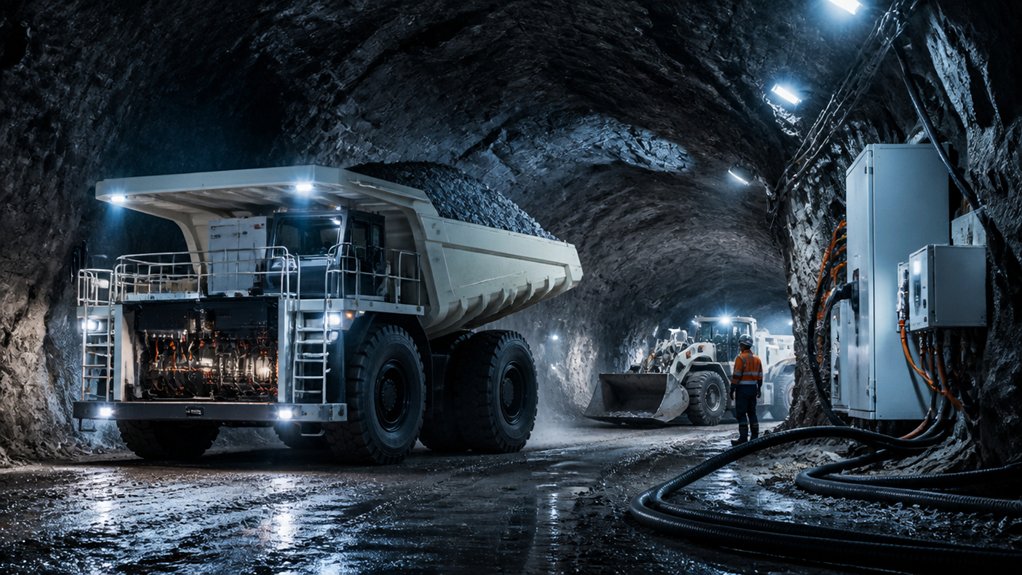
Electric mining equipment uses electricity as its primary power source for propulsion or operation, rather than relying solely on diesel or other combustion fuels. You can classify a unit as electric when grid power, a battery, or another electrical supply drives its main function.
Hybrid machines qualify only when electricity contributes directly to propulsion or operation; electrically powered controls alone don’t make a diesel machine electric.
For mining safety, check the equipment’s voltage, isolation points, cable routing, and battery or power-supply hazards before use. Follow site procedures for lockout and verification, and ensure workers understand electrical risks.
Your equipment maintenance plan should cover connectors, insulation, charging systems, and protective devices, with defects reported and repaired before operation. Clear labeling helps you distinguish power sources and apply the correct inspection, servicing, and emergency-response procedures underground.
Which Mining Machines Can Run on Electricity?
Depending on the power supply and mine layout, electricity can run drilling rigs, loaders, haul trucks, conveyors, pumps, and ventilation fans. Your site may also use electric service vehicles, crushers, and fixed processing equipment where electrical infrastructure supports their loads.
Match each machine to duty cycles, travel distances, gradients, and required output before selecting a power connection. Check cable routes, connectors, grounding, and protection systems, and keep cables clear of moving equipment and traffic.
Coordinate maintenance with isolation and lockout procedures; don’t assume a de-energized machine is safe until you verify it.
Renewable energy integration can support site power, but you’ll need reliable distribution and backup capacity for critical operations.
Provide workforce training so operators and technicians understand electrical hazards, emergency response, and equipment-specific procedures.
Review performance regularly to confirm each machine suits changing mine conditions.
How Battery-Powered Mining Machines Work
Battery-powered mining machines draw energy from onboard rechargeable packs that supply electric motors through power electronics. The controller regulates voltage and current, while sensors monitor temperature, charge level, and fault conditions. You can use the machine’s display to check available energy and plan work around remaining capacity.
During operation, regenerative braking can return some energy to the pack. To support Battery longevity, follow the manufacturer’s limits for charging, storage, and operating temperature; don’t ignore warnings or continue using a damaged pack.
Keep connectors clean and inspect cables before each shift.
For charging efficiency, use approved chargers and match charging schedules to duty cycles. Park in designated, ventilated areas, secure the machine, and isolate it as required before connecting equipment.
Train operators to recognize alarms and report unusual heat, odors, or performance changes promptly. Keep emergency procedures accessible.
How Electric Equipment Compares With Diesel
When you compare electric equipment with diesel, assess energy and maintenance costs alongside fuel expenses.
Electric machines produce no tailpipe emissions underground, reducing exposure to diesel exhaust.
You may also need less ventilation, but you must still manage heat, dust, and battery-related hazards safely.
Operating Costs
How much can electrification reduce a mine’s operating costs? Your results depend on electricity rates, duty cycles, haul distances, and equipment utilization, so compare total cost of ownership rather than purchase price alone.
Electric machines can deliver cost savings through lower energy costs per operating hour, especially where diesel prices and fuel logistics are high. Track actual energy use against production to verify the business case.
You may also gain maintenance efficiency. Electric drivetrains have fewer moving parts and don’t require engine oil, filters, or exhaust after-treatment servicing.
However, battery inspections, charging infrastructure, and specialist training add costs you must budget for. Set clear isolation procedures, inspect cables and connectors, and train crews to handle high-voltage systems safely.
Compare service intervals, parts availability, downtime, and battery replacement assumptions with your diesel fleet before committing to a site-wide changeover.
Emissions and Ventilation
Beyond operating costs, electrification can reduce exhaust emissions at the point of use. When you replace diesel machines with battery-electric equipment, you eliminate tailpipe emissions underground, including diesel particulate matter and nitrogen oxides. You’ll still need ventilation to control heat, dust, blasting fumes, and other contaminants, but reduced diesel exhaust can lower airflow demand and ventilation energy use. Confirm requirements through site-specific air monitoring and engineering assessments; don’t treat electrification as a substitute for ventilation controls.
For Worker safety, maintain charging areas, battery inspection routines, and emergency response plans. Thermal events can produce hazardous gases, so train crews to recognize alarms and follow evacuation procedures.
Renewable energy integration can further reduce emissions across the operation, depending on your power supply. Compare equipment duty cycles, charging infrastructure, and ventilation performance before changing fleet plans, then verify results with measured air quality and exposure data.
How Electric Mining Equipment Cuts Emissions and Noise
When you use electric mining equipment, you eliminate tailpipe exhaust at the point of operation, reducing workers’ exposure to diesel pollutants.
Electric drives also cut operating noise, helping you communicate and hear warning signals more clearly.
You’ll still need to monitor ventilation, equipment condition, and noise levels to maintain safe operations.
Lower Emissions
By replacing diesel engines with electric drivetrains, mining equipment eliminates exhaust emissions at the point of use and reduces engine noise. For lower emissions, you’ll also cut carbon dioxide and other pollutants tied to diesel combustion, improving air quality in tunnels and enclosed work areas.
This can reduce workers’ exposure to exhaust, but you’ll still need ventilation, gas monitoring, and established safety procedures. Electric equipment produces no tailpipe emissions underground; however, its total climate impact depends on how you generate electricity.
Pairing charging systems with Renewable energy can further reduce operational emissions. You should assess power demand, charging schedules, and grid capacity before deployment.
Track energy use and emissions to verify results and meet Environmental policies. Maintain batteries and electrical systems according to manufacturer guidance, and train crews to identify faults before equipment returns to service.
Quieter Operations
Electric drivetrains reduce noise from engines and exhaust systems, making underground work areas quieter than with comparable diesel equipment. Lower sound levels can help you communicate over radios, hear alarms, and detect approaching vehicles or equipment. This noise reduction supports safer traffic management, especially in confined headings where echoes and limited sightlines complicate movement.
Electric machines also avoid much of the vibration and mechanical noise associated with combustion engines. You’ll still need to assess noise from tires, hydraulics, cutting tools, ventilation, and warning devices; electrification doesn’t eliminate those hazards.
Measure sound levels across operating tasks, maintain equipment, and use hearing protection wherever exposure limits require it.
Quieter work can improve concentration and reduce fatigue, contributing to practical safety improvements. Keep audible alerts effective, establish clear right-of-way procedures, and train crews to recognize quieter vehicles. These steps help you gain the benefits without weakening hazard awareness.
What Charging Infrastructure Do Mines Need?
Charging infrastructure for electric mining equipment must deliver reliable power without compromising worker safety or production. You’ll need chargers sized to each machine’s battery, duty cycle, and available charging window. Locate them near work areas or service bays, while keeping traffic routes, emergency access, and escape paths clear.
Use protected cables, weather-rated enclosures, grounding, and isolation systems suited to dust, moisture, vibration, and hazardous zones. Coordinate charging schedules with shift changes and maintenance to limit downtime and prevent demand peaks.
Your electrical design should include load management, backup capacity, and monitoring for faults, temperature, and energy use. Plan grid integration early, and assess Renewable energy options alongside storage to reduce supply constraints.
Train workers on connection, isolation, inspection, and emergency procedures, and verify equipment regularly under site conditions and applicable standards.
What’s Next for Electric Mining Equipment Adoption?
As battery performance improves and charging networks expand, you can expect adoption to grow first in duty cycles where machines can recharge predictably. Start with haul trucks, loaders, and support vehicles on routes with measured energy demand and reliable charging access.
Track battery health, operating hours, payload, and charging downtime before expanding the fleet.
You’ll also need trained technicians, high-voltage isolation procedures, and clear emergency response plans. Treat electric vehicle maintenance as a distinct capability: update inspection schedules, stock critical components, and verify that staff can safely service batteries and power electronics.
Coordinate renewable energy integration with mine loads and backup systems so charging doesn’t compromise essential operations. Pilot equipment across seasons and shifts, then use performance and safety data to set procurement targets.
This staged approach helps you scale without outrunning grid capacity, workforce readiness, or site controls.