

To choose mining plant machinery, match its capacity, material handling, and safety features to your site conditions and workload. Compare new equipment’s warranty and support with used machinery’s lower price, checking service records and arranging an independent inspection. Look beyond purchase price to include transport, fuel, maintenance, repairs, and resale value. Confirm parts availability, dealer response times, and delivery access before committing. A closer look at these checks can help you make a safer, more cost-effective choice.
Compare New and Used Mining Plant Machinery
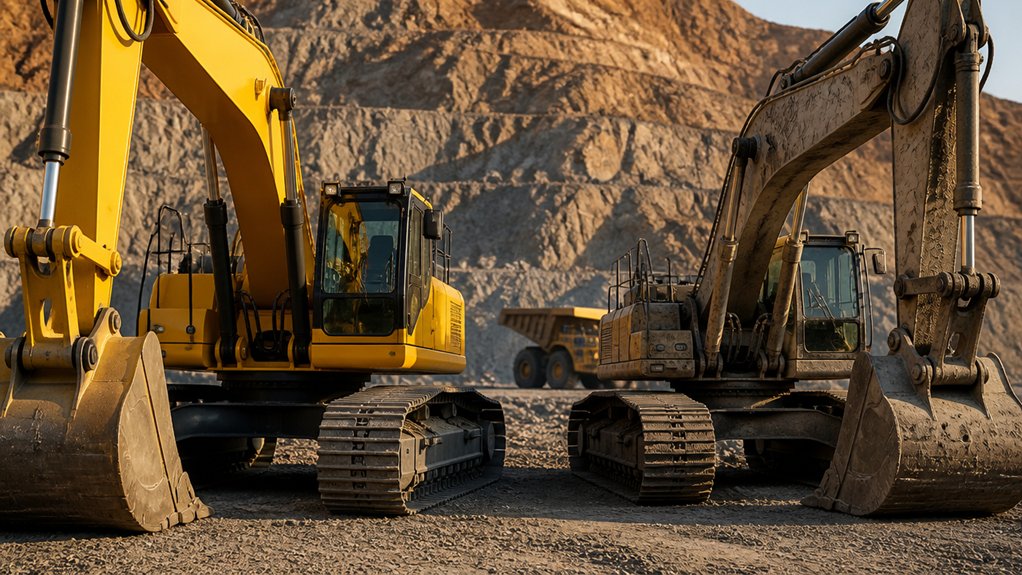
When comparing new and used mining plant machinery, weigh the purchase price against operating costs, reliability, and safety. New equipment typically includes a manufacturer’s warranty, current safety features, and predictable maintenance needs, but you’ll pay more upfront.
Used machinery can reduce initial costs, yet hidden wear or outdated components may lead to repairs and downtime. Before buying used, review service records, inspect critical systems, and arrange an independent assessment.
Confirm that guards, emergency stops, and other safety devices work properly; don’t accept unresolved defects. Consider Brand reputation when judging parts availability, dealer support, and long-term dependability.
Also estimate resale value: well-supported models often retain value better, whether new or used. Compare the total cost of ownership, financing, and warranty terms, then choose the option that fits your budget without compromising safe operation.
Match Mining Machinery to Site and Workload
Assess your site’s terrain, ground conditions, access, and climate before choosing machinery.
Match each machine’s capacity and features to your workload, including material type, production targets, and operating hours.
Account for safety requirements and maintenance access so your equipment can work reliably without exposing crews to avoidable risks.
Assess Site Conditions
Before choosing mining plant machinery, evaluate the site’s terrain, climate, access, and ground conditions alongside the workload you expect it to handle.
Walk the proposed operating area and note slopes, soft patches, drainage, and overhead or underground hazards.
Check soil stability before planning routes or placing heavy equipment; weak ground can cause bogging, structural damage, or rollovers.
Consider seasonal rain, extreme temperatures, dust, and wind, since these conditions affect traction, visibility, and safe operation.
Confirm that roads, bridges, turning areas, and delivery routes can accommodate the machinery’s dimensions and weight.
Identify nearby communities, waterways, and protected areas, then assess environmental impact and any permit requirements.
Use site surveys and local expertise to verify your observations.
These checks help you select equipment suited to the location and reduce avoidable safety risks.
Match Machinery to Workload
Once you’ve assessed the site, match each machine’s capacity and capabilities to the work it’ll perform. Choose excavators, loaders, and haul trucks that can handle your required volumes without exceeding safe operating limits.
Consider material type, haul distance, cycle times, and planned operating hours; undersized equipment can create bottlenecks, while oversized machines may waste fuel and strain access routes.
Check equipment durability against the site’s terrain, dust, moisture, and workload. Review service records for used machinery, and confirm that parts and maintenance support are available.
Manufacturer reputation can help you assess reliability, but verify specifications and condition rather than relying on brand alone.
Coordinate machine capacities across the fleet so loading and hauling stay balanced.
Before purchase, confirm operators are trained for each model and that visibility, braking, and safety systems suit the job.
Compare Purchase Price and Lifetime Costs
A mining plant machine’s purchase price is only part of its cost. Compare new and used options by estimating what you’ll spend over the machine’s working life, not just what you’ll pay upfront. Include financing, transport, installation, fuel, maintenance, repairs, parts, and eventual disposal.
Market trends can shift resale values and availability, while pricing strategies such as negotiating warranties or bundling essential items may improve value. Don’t assume the cheapest machine will cost you less overall.
Ask suppliers for service records and realistic operating-cost estimates, then check those figures against your expected hours and site conditions. Budget for planned maintenance and unexpected repairs; deferred work can raise costs and create safety risks.
Consider downtime, too: a lower-priced machine that frequently stops may disrupt production and expose workers to pressure. Compare total costs over the same ownership period before deciding.
Check New Mining Machinery Specs and Support
Compare specifications against your site’s capacity, materials, and operating conditions.
Verify that each machine meets applicable safety standards before purchase.
Check the dealer’s service coverage, parts availability, and response times so you’re prepared for maintenance and breakdowns.
Compare Technical Specifications
When you evaluate new mining machinery, compare specs against your site’s production needs, operating conditions, and safety requirements—not just headline capacity. Check throughput, duty cycle, motor power, and compatibility with your existing plant.
Confirm the machine can handle your material’s hardness, moisture, and particle size without creating bottlenecks. Review technical performance data under conditions similar to yours, and compare energy efficiency across models to estimate operating costs over time.
Look beyond purchase price: ask what routine servicing requires, which parts need frequent replacement, and how quickly the supplier can provide spares and technical support. Check warranty terms, training options, and documented performance claims.
A careful comparison helps you choose equipment that fits your operation, supports reliable production, and reduces avoidable downtime without compromising safe, practical use.
Verify Safety Compliance
Before buying, verify that the machinery meets the safety standards and regulations that apply at your site and in your jurisdiction. Request the manufacturer’s declaration of conformity, inspection records, and relevant certificates, then confirm they match the machine’s model and configuration.
Check guarding, emergency stops, alarms, access points, and operator visibility against your site’s hazards and operating conditions. For used equipment, inspect for damaged or missing safeguards, undocumented modifications, and expired certifications; don’t assume prior approval covers your location.
Review manuals and labels to guarantee workers can understand and follow required Safety protocols. Ask a qualified inspector to assess any uncertainty before you commit.
Confirm compliance standards for emissions, noise, electrical systems, and other applicable risks, and document outstanding corrective actions in writing before delivery or commissioning.
Assess Service Support
How quickly can the supplier get your mining machinery back to work after a breakdown? Before you buy, assess the dealer’s after sales support, not just the machine’s specifications.
Ask whether technicians can reach your site promptly, diagnose faults remotely, and provide repairs in the field. Confirm support hours, emergency response times, and access to qualified service staff.
Check which maintenance services the supplier offers, including scheduled inspections, operator training, and condition monitoring. Ask for a clear service schedule and written pricing so you can plan costs and reduce unexpected downtime.
Verify that critical parts are stocked locally and learn typical delivery times for items that aren’t.
For used equipment, review service records and ask whether the supplier will inspect the machine before delivery. Reliable support helps you maintain safe operating conditions, protect productivity, and make an informed purchase.
Inspect Used Mining Machinery Before Buying
A careful inspection can reveal costly defects and safety risks before you commit to used mining machinery. Arrange a safe, hands-on assessment with the machine shut down, isolated, and supported as required.
Check the frame, welds, and undercarriage for cracks, distortion, corrosion, or uneven wear. Examine hoses, cylinders, wiring, guards, and fluid levels for leaks, damage, or unsafe modifications.
Inspect buckets, belts, crushers, and other working parts for excessive wear and movement. Ask a qualified operator to run the equipment under controlled conditions; watch for unusual noise, vibration, overheating, smoke, or sluggish controls.
Test brakes, alarms, emergency stops, and other safety devices. Compare visible condition with the seller’s claims, and bring an independent technician if you lack expertise.
Factor needed repairs and routine maintenance into your assessment of operational efficiency.
Check Service History, Parts, and Warranty
What does the machine’s service history reveal about its reliability? Ask for maintenance records, inspection reports, and repair invoices, then check dates, operating hours, and recurring faults. Gaps or repeated failures in critical systems deserve clear explanations before you commit.
Confirm that qualified technicians completed safety-related repairs and that required inspections are current.
Check parts availability for wear items and major components, especially for older models. Ask the seller or manufacturer about lead times, approved alternatives, and ongoing support; scarce parts can make routine maintenance difficult.
Compare the machine’s warranty terms with your intended use. Clarify what’s covered, exclusions, claim deadlines, and whether coverage transfers to you. Get every promise in writing, including any repair commitments.
If records or warranty details remain unclear, arrange an independent review before purchase.
Plan Delivery and Reduce Site Downtime
Once the machine’s condition checks out, plan its delivery before scheduling work around it. Confirm the transport route, access limits, permits, and arrival window with your supplier and site team.
Include loading, unloading, and any required escorts in your delivery planning; oversized equipment may need road closures or specialist haulage. Prepare a firm, level unloading area and verify that cranes, lifting gear, and trained operators are available.
Keep people clear of the lift zone, and follow the machine maker’s handling instructions.
Coordinate delivery with maintenance, operators, and production staff. Arrange any assembly, commissioning, inspections, and operator familiarisation before the machine reaches the site.
Identify a backup machine or adjust the work sequence if transport delays occur. These steps support downtime reduction, help you avoid idle crews, and let you bring the equipment into service safely and efficiently.
Choose New or Used Machinery for Your Operation
Choosing new or used machinery depends on your budget, workload, and tolerance for downtime. New equipment often offers current safety features, warranty coverage, and predictable maintenance, but it usually costs more.
Used machinery can reduce upfront spending and may suit lighter workloads, provided you verify its condition and service history.
Assess the machine against your production targets, site conditions, and expected operating hours. Arrange an independent inspection of critical components, including brakes, guards, hydraulics, and structural parts. Confirm that replacement parts and qualified technicians are available before you buy.
Check Brand reputation through operator feedback and the manufacturer’s support record. Compare Financing options, total ownership costs, and likely resale value—not just the purchase price.
Choose equipment you can maintain safely and reliably; don’t let a low price outweigh downtime risks or unresolved defects.