
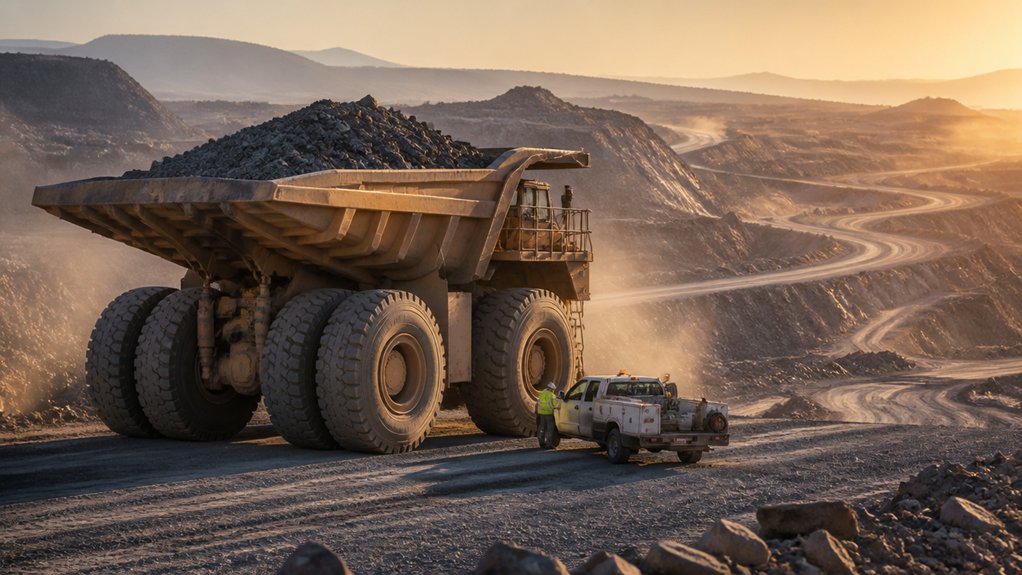
To improve fuel efficiency across large mining machines, measure litres per tonne and per operating hour with calibrated meters, then compare results with payload, distance and output. Use telematics to find idling, queues and inefficient haul cycles; adjust dispatch, routes and shutdown practices safely. Match machine capacity to each task, maintain engines, tyres and drivetrains, and coach operators in smooth acceleration and braking. Review fuel savings alongside productivity to confirm genuine gains; the practical steps below show where to focus first.
Measure Fuel Use Across Your Mining Fleet
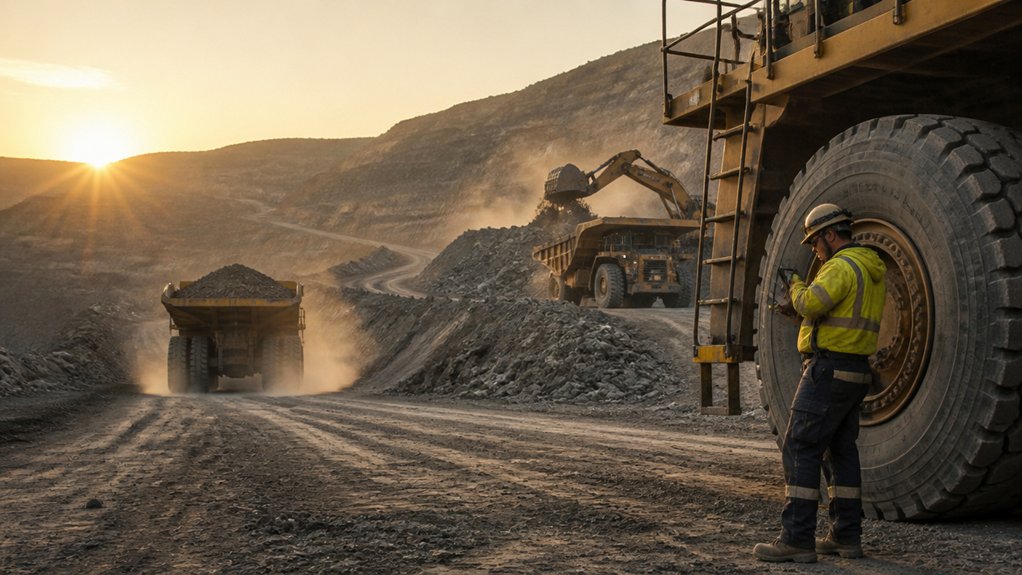
To improve fuel efficiency, first establish how much fuel each machine uses and what work it completes. Record Fuel consumption consistently across your fleet, including excavators, dump trucks and dozers. Use calibrated fuel meters or verified tank records, and note each machine’s hours, tonnes moved, distance travelled or cubic metres excavated.
Choose measures that match the task; litres per tonne can help compare haul trucks, while litres per operating hour may suit stationary equipment.
Keep records in a shared format, with dates, machine identifiers, fuel type and operating conditions. Account for differences in payload, route, material and shift pattern before comparing results.
Regular data analysis will show which machines use more fuel for equivalent work and whether performance changes over time. Set a reliable baseline, then review it routinely with operators and maintenance teams.
Use Telematics to Find Idling and Fuel Waste
Use telematics to track each machine’s idle time across your UK sites and shifts.
Compare engine hours with fuel data to spot avoidable consumption, such as prolonged idling.
You can then adjust dispatch and operating practices to keep machines productive and reduce fuel waste.
Track Idle Time
How much fuel do your machines burn while doing nothing? Use telematics to measure each excavator, dozer and haul truck’s idle hours against engine hours. Review daily reports by machine, shift and operator; compare patterns with production schedules and maintenance records. This gives you a reliable baseline, rather than relying on estimates from the cab.
Set practical targets for idle time, then check them weekly with supervisors. Account for legitimate pauses, such as shift changes, safety briefings and loading delays, before setting limits. On UK sites, cold, wet weather may require an engine warm up, but follow the manufacturer’s guidance instead of letting engines run unnecessarily.
Agree when operators should shut down safely during longer breaks, and use reminders or coaching to support consistent practice. Track results over time to confirm that Idle reduction measures are working without disrupting production or safe operation.
Spot Fuel Waste
Where’s fuel being wasted beyond avoidable idling? Telematics can help you trace unexplained consumption across large mining machines, shifts and work areas. Compare fuel-rate data with engine hours, load and machine location to flag sudden changes, excessive burn or discrepancies between recorded use and tank levels.
Check trends against refuelling records; a persistent gap may indicate a leak, theft, faulty sensor or poor-quality fuel.
Use alerts to investigate promptly, then inspect tanks, hoses, caps and dispensing points. Accurate flow meters and calibrated level sensors make your readings more dependable.
Apply Fuel spill prevention procedures during inspections and refuelling, protecting workers, ground and watercourses. Include fuel quality management in routine checks: contaminated or unsuitable fuel can affect combustion and damage components.
Record findings, assign corrective actions and verify that consumption returns to expected levels.
Optimize Machine Use
Once unexplained fuel losses are ruled out, focus on how machines are being used across each shift. Telematics can show you engine hours, idle time, fuel burn and location, helping you pinpoint where haul trucks, excavators or dozers consume fuel without moving material.
Compare these records with shift plans and production targets; long idle periods may indicate queuing, delayed blasts, poor handovers or machines left running during breaks.
Use the findings to improve operational scheduling. Stagger truck arrivals, coordinate loading and haul routes, and match machine capacity to the task. Set clear shutdown rules for extended waits, while accounting for safe restart procedures and manufacturer guidance.
Review trends with operators, not just supervisors, so you can address practical causes. Consider Equipment upgrades only when data shows persistent inefficiency that better planning can’t resolve.
Optimize Mining Haul Routes and Load Cycles
You’ll cut fuel use by mapping haul routes to avoid steep gradients, congestion and unnecessary distance.
Review payload, queuing and spotting times to keep each load cycle efficient.
Use dispatch data to refine routes and loading practices as pit conditions change.
Optimize Haul Routes
Efficient haul routes cut fuel use by reducing distance, gradients, sharp turns and delays. Use Route planning to map the shortest safe paths between loading areas, tipping points and service facilities. Factor in one-way systems, passing bays and traffic controls so your fleet avoids unnecessary queuing.
Carry out terrain analysis before changing alignments. In UK sites, wet weather can soften ground, increase rolling resistance and make steep sections hazardous. Check gradients, drainage, surface condition and turning radii, then prioritise firm, well-drained routes with gradual curves. Keep haul roads level where practical, but preserve safe camber and visibility.
Monitor fuel consumption, travel times and road condition by route. Use these records to identify bottlenecks and compare alternatives. Grade roads regularly, control dust appropriately and repair potholes promptly; smoother surfaces reduce tyre resistance and help you maintain efficient, predictable travel.
Improve Load Cycles
Well-planned haul roads help, but the loading and tipping stages can still waste fuel if trucks queue or spend too long manoeuvring. Use Load cycle analysis to track travel, spotting, loading, tipping and return times across shifts.
Compare truck and excavator data to find bottlenecks, such as mismatched payloads, poor shovel positioning or congested dump points. Then adjust dispatch intervals, loader allocation and tipping layouts to keep machines moving without unsafe rushing.
Coach operators to approach squarely, minimise reversing and avoid unnecessary idling; clear radio protocols can prevent delays in UK weather and low visibility. Monitor payloads against rated capacity, since underloading adds trips while overloading strains components.
Review results regularly: targeted cycle time reduction cuts fuel per tonne, improves productivity and supports safer, more predictable site operations.
Match Machine Size to Each Mining Task
When you match machine size to the task, you avoid burning fuel on capacity you don’t need. Choose excavators, dump trucks and loaders to suit the material, haul distance, gradients and required production rate.
An oversized truck may carry more, but it can waste fuel on short, light-duty runs; an undersized unit may need extra trips and disrupt the fleet.
Use task matching when you plan equipment allocation across the pit, quarry or surface mine. Check payload limits against bucket capacity and road conditions, then pair machines so each operates near its efficient working range.
Machine calibration helps you set payload targets and operating parameters for the job, rather than relying on nominal capacity alone. Review production data as faces, routes and material types change, and reassign equipment before mismatches reduce output or increase fuel use.
Maintain Engines, Tires, and Drivetrains
Correct machine sizing limits unnecessary fuel use, and regular maintenance keeps that advantage from being lost.
Check engine oil levels and condition at the intervals set for your duty cycle. Effective engine lubrication reduces friction, protects bearings, and helps the engine convert fuel into useful work. Replace filters promptly, and investigate rising oil consumption or exhaust smoke before minor faults increase fuel demand.
Inspect tyres for cuts, uneven wear, and embedded debris during planned checks. Set tire pressure to the machine maker’s specification for the load and site conditions; underinflation increases rolling resistance and heat, while overinflation can reduce grip and accelerate wear. Record readings with calibrated gauges.
Examine driveline components for leaks, damaged seals, worn joints, and misalignment. Keep wheel ends, axles, and transmission fluids at specified levels, and repair defects early. Clean, correctly adjusted systems waste less energy moving material across UK quarry and mine haul roads.
Train Operators to Improve Mining Fuel Efficiency
Operator training turns sound machine condition into lower fuel use. When you coach your operators to work smoothly, you can cut unnecessary engine load across a shift.
Teach them to accelerate progressively, select the right gear for the gradient, and avoid prolonged idling while waiting at loading points.
On haul roads, steady speeds and sensible braking help preserve momentum, particularly on steep or wet sections common at UK sites.
Show your team how to match payloads to machine limits and use retarder systems correctly, rather than relying on harsh service braking.
Include safety protocols in every exercise: efficient driving must never compromise visibility, safe following distances, or control on uneven ground.
Use practical demonstrations in the cab, then refresh skills when routes, weather, or equipment change.
Clear guidance helps you make fuel-conscious operation part of everyday practice.
Track Fuel Savings Alongside Productivity
How much fuel does each tonne moved actually cost? Track litres per tonne alongside tonnes per hour, payload, haul distance and idle time. A lower fuel figure means little if you’ve also cut production or shifted work to another machine.
Use onboard telematics, fuel-flow data and weighbridge records to compare like-for-like shifts, routes and material conditions across your UK site.
Set a baseline, then review results weekly with operators and maintenance teams. Check tyre pressures, engine faults, queueing and haul-road gradients before attributing changes to driving technique.
Record fuel economy by machine and task, not just across the fleet; this shows where targeted fixes will pay off. Link verified savings to your sustainability initiatives, while reporting productivity and emissions together.
You’ll make sound investment decisions and keep output on plan.