
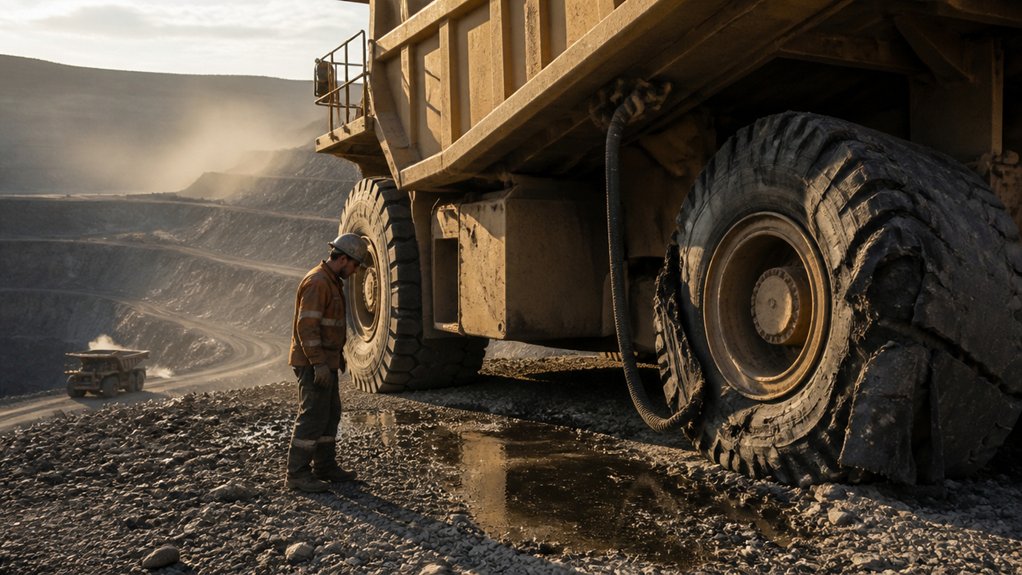
Heavy mining equipment most often fails through poor maintenance, harsh site conditions, operator error and wear in critical components. Missed inspections, weak lubrication or delayed repairs can turn small defects into breakdowns. Water, grit, vibration and heavy impacts accelerate corrosion, fatigue and overheating, while incorrect loading or rough operation adds damaging stress. Watch for leaks, unusual noise, heat or vibration, and report faults promptly. You’ll find practical ways to spot risks and prevent downtime in the sections ahead.
What Causes Mining Equipment Failures?
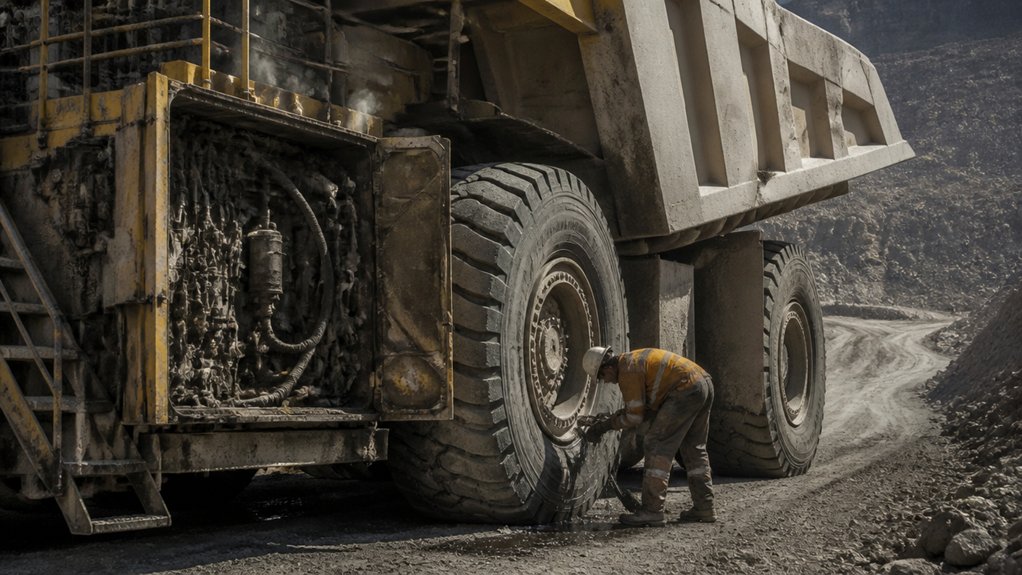
Mining equipment failures usually stem from a combination of harsh operating conditions, inadequate maintenance and human error. On UK sites, abrasive rock, water ingress, vibration and heavy impact can damage components or accelerate fatigue.
Incorrect loading, poor visibility and rushed manoeuvres also put excessive strain on machines and create immediate safety risks. Electrical faults, hydraulic leaks, overheating and structural cracks may develop without warning, so you need to recognise early symptoms and follow site procedures when equipment behaves abnormally.
Keep operators trained to use machinery within its rated capacity, and report defects promptly. Use equipment downtime analysis to identify recurring failure patterns and inform Mining equipment upgrades, such as improved guarding, filtration or monitoring systems.
Assess each change against UK regulations, manufacturer guidance and your site’s risk assessment before returning equipment to service.
How Poor Maintenance Leads to Breakdowns
If you miss inspection schedules, you may overlook defects that put operators and others at risk under UK health and safety duties.
Delaying component replacement can turn wear into a sudden breakdown, while inadequate lubrication accelerates damage to bearings and other moving parts.
You’ll reduce these risks by following the manufacturer’s maintenance plan and recording each inspection and repair.
Missed Inspection Schedules
When inspection schedules slip, small defects in heavy mining equipment can go unnoticed until they cause a breakdown or put workers at risk. You might miss cracked welds, hydraulic leaks, worn hoses or abnormal bearing temperatures when checks happen late or lack consistency.
Set inspection frequency according to manufacturer guidance, operating hours, site conditions and risk assessments. Strong schedule adherence helps you spot changes early, before vibration, overheating or fluid loss disrupts production.
Record findings clearly, assign competent personnel and verify that safety-critical checks are completed before equipment returns to service.
In UK quarries and mines, follow relevant site procedures and health and safety requirements, including the Provision and Use of Work Equipment Regulations.
Don’t rely on memory: use planned checklists and escalate defects promptly so your team can control hazards and prevent avoidable breakdowns.
Delayed Component Replacement
How long can a worn component remain in service before it triggers a breakdown? On a UK mine site, delaying replacement can turn a manageable defect into sudden equipment failure. A cracked hose, worn track link or fatigued pin may fail under load, damaging connected parts and exposing your crew to serious hazards. Follow the manufacturer’s service limits and your site’s risk controls; don’t extend component life based on appearance alone.
Plan component sourcing before parts reach their limits. Check lead times, approved specifications and availability so procurement delays don’t keep unsafe machinery operating. Confirm warranty coverage and retain service records, as unauthorised parts or overdue maintenance may affect a claim.
If you can’t replace a safety-critical component promptly, isolate the machine, report the defect and arrange an approved repair before returning it to service.
Inadequate Lubrication Practices
Poor lubrication can turn routine wear into a breakdown, especially in heavily loaded mining equipment. If you miss service intervals or use the wrong lubricant, you increase friction, heat and wear in bearings, gearboxes and hydraulic systems. That damage can seize components, stop production and expose your crew to hazardous recovery work.
Maintain Lubrication consistency by following the manufacturer’s schedule and checking levels, pressure and grease delivery during planned inspections. Don’t assume a full reservoir means oil reaches every contact point; blocked lines and failed pumps can starve components.
Oil contamination from water, dust or metal particles accelerates wear, so sample fluids, replace filters and investigate changes in colour or viscosity.
In UK mines, align tasks with site risk assessments, isolation procedures and relevant HSE guidance. Record findings, correct defects promptly and verify safe operation before returning equipment to service.
How Operator Practices Affect Equipment Reliability
Operator practices directly affect the reliability of heavy mining equipment: smooth control inputs, correct loading and adherence to operating limits reduce wear and prevent avoidable failures. You’ll protect your machine by avoiding harsh braking, sudden steering and unnecessary high-speed travel over rough ground.
Match your technique to the terrain, payload and manufacturer’s guidance, especially on gradients and in wet UK conditions. Operator training helps you recognise warning signs, use controls correctly and respond safely to changing site conditions.
Follow safety protocols, complete pre-start checks and report faults promptly; never bypass interlocks or continue operating equipment that’s unsafe. Keep loads within rated capacity and use clear communication with banksmen and other workers.
Your consistent, disciplined operation reduces shock loads, overheating and unplanned downtime, while supporting safer, more reliable production across the site.
Which Components Wear Out Most Often?
Because they face constant friction, impact and contamination, tyres or tracks, cutting edges, bucket teeth, hydraulic hoses, filters and brake components often wear fastest on UK mining sites.
You’ll also need to monitor pins, bushes, bearings and undercarriage rollers, where clearance growth can affect control and stability.
Check hoses for abrasion, leaks, bulging and damaged couplings; a sudden hydraulic failure can endanger workers and compromise safe lifting.
Inspect brake linings and discs against the manufacturer’s limits, and replace worn parts before stopping performance declines.
Material fatigue can create cracks in welds, booms and attachment points, so arrange inspections and non-destructive testing where required.
Component corrosion may weaken exposed steel and electrical connections.
Use planned maintenance records to track wear, set replacement intervals and keep your equipment safe and available.
How Harsh Conditions Accelerate Equipment Failure
Even well-maintained components can fail sooner when UK mining conditions expose them to water, abrasive dust, mud, temperature swings and repeated heavy impacts. These Environmental impacts attack equipment in different ways: moisture promotes corrosion in steelwork and electrical connections, while fine grit wears seals, bearings and hydraulic surfaces. Mud can restrict cooling airflow, causing engines and hydraulic systems to run hotter than designed.
In exposed sites, freezing and thawing can also stress hoses, joints and concrete foundations.
Repeated loading transfers shock through frames, booms and undercarriages. Over time, Material fatigue can create cracks, loosen fasteners and weaken welds, especially where impact loads exceed operating limits.
You’ll face greater failure risk when ground conditions change or machines work on slopes. Respect rated capacities and site-specific operating limits; overloaded or unstable equipment can fail suddenly, endangering operators and nearby workers.
How to Spot Problems and Prevent Downtime
You can spot early warning signs in abnormal vibration, rising temperatures, fluid leaks or changes in noise before they lead to failure.
Record and assess these indicators under your site’s inspection procedures, and isolate equipment if its condition poses a safety risk.
Plan preventive maintenance around operating hours, manufacturer guidance and UK site requirements to reduce unplanned downtime.
Early Warning Signs
Early warning signs—such as rising temperatures, unusual vibration, fluid leaks or changes in noise—can reveal developing faults before they cause a breakdown. On UK sites, check these indicators against the machine’s normal operating range and report deviations promptly.
Watch for sluggish hydraulics, falling pressure, smoke, warning lights and metal particles in oil; each may point to wear, contamination or a failing component. Don’t dismiss intermittent alarms or rely on sound alone: dust, weather and workload can mask symptoms.
Use sensor calibration to help guarantee readings remain accurate, and make sure operator training enables your crew to recognise abnormal behaviour and communicate it clearly.
If you spot a fault, stop the equipment when safe, isolate it under site procedures and alert your supervisor. Never inspect moving or pressurised parts; follow the site’s risk controls.
Preventive Maintenance Planning
To prevent downtime, build a maintenance plan around each machine’s service schedule, operating hours and site conditions. Record inspections, repairs and component changes in a shared log, then use it to spot recurring faults before they cause failure.
Check filters, fluids, tracks, brakes and hydraulic lines at intervals suited to the manufacturer’s guidance and your risk assessment. Predictive analytics can help you identify abnormal temperature, vibration or pressure trends, so you can schedule work before a breakdown.
Verify Equipment calibration on sensors and monitoring systems; inaccurate readings can hide developing defects.
Assign competent, authorised technicians, isolate machinery and apply lockout procedures before maintenance. Keep critical spares available and coordinate planned shutdowns with production.
Review the plan after incidents, seasonal changes or operating shifts, and confirm every safety-critical defect is resolved before returning equipment to service.