
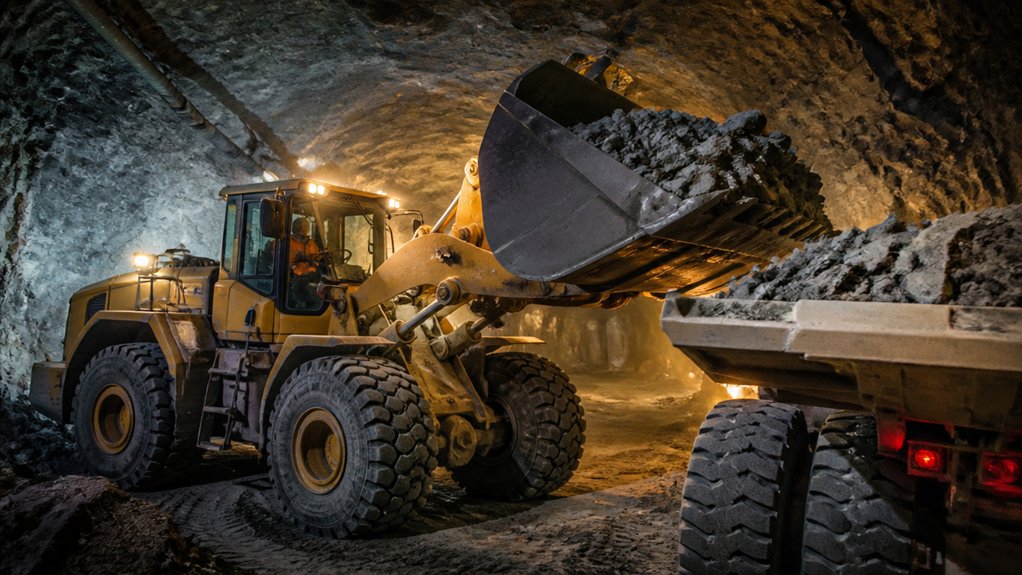
To choose the right mining loader, match its capacity, dimensions, and power to your mine’s layout, material, haul distance, and production targets. Select underground or surface designs to suit clearances, terrain, and ventilation. Compare diesel, tethered electric, and battery power against your duty cycle, energy access, and emissions requirements. Check maneuverability, visibility, safety systems, maintenance support, and total lifecycle costs. The sections below explain how to weigh these factors for efficient, reliable operation.
Match a Mining Loader to Your Operation
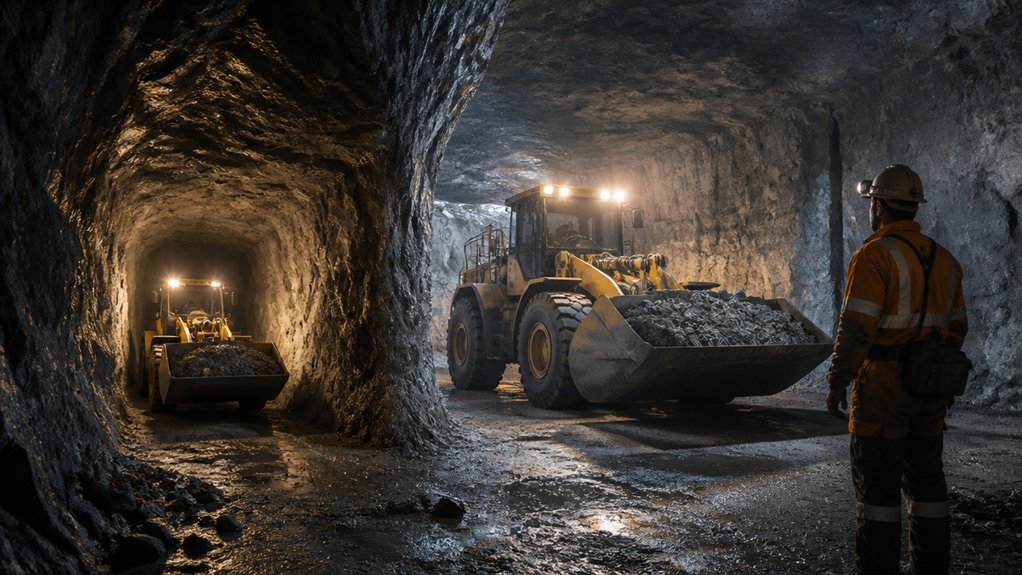
Choosing the right mining loader starts with matching its capacity, dimensions, and power to your mine’s layout and production targets. Assess your haul distances, material density, tunnel clearances, turning radius, and required bucket payload before selecting a machine.
A loader that’s undersized can slow your cycle times; one that’s oversized may restrict access, increase fuel use, or compromise safe maneuvering. Check that the powertrain and tires suit your floor conditions, grades, and duty cycle, then confirm the machine can work within ventilation and maintenance limits.
Plan loader customization around practical needs, such as bucket type, protective features, visibility aids, and service access. Include operators and maintenance staff in the decision.
Mining loader training helps your crew use controls correctly, recognize hazards, and maintain consistent, efficient loading cycles. Track performance after deployment and adjust operating practices as conditions change.
Compare Underground and Surface Mining Loaders
Once you’ve matched a loader to your operation, compare underground and surface models by the conditions they’re built to handle. Underground loaders use compact frames, low profiles, and articulated steering to maneuver through confined headings. Their enclosed cabs, fire protection, and exhaust controls help protect you in restricted spaces, where ventilation requirements affect equipment choice and operating time.
Surface loaders typically have larger tires, higher ground clearance, and robust structures for uneven terrain and exposure to weather. Evaluate traction, visibility, and service access against your site’s hazards.
Also consider rock fragmentation: oversized material can slow loading or damage components, while consistent sizing supports smoother cycles. Match each design to haul routes, ground conditions, and safety controls.
The right environment-specific loader can reduce delays, improve operator protection, and keep material moving efficiently.
Choose the Right Mining Loader Capacity
How much material should your loader move in each cycle? Match rated capacity to your haul truck, drawpoint, and production target. If the bucket’s too small, you’ll need more passes, increasing cycle time and traffic exposure. An oversized bucket can overload the machine, strain components, and compromise stability on uneven ground.
For effective Load capacity optimization, assess material density, fragmentation, moisture, and digging resistance—not volume alone. Confirm the payload against the loader’s operating specifications, then coordinate bucket size with truck capacity to avoid underfilled trips or unsafe overloads.
Consider travel distance, ramp grade, turning clearance, and ground conditions; these factors affect practical output and safe handling.
Track payloads and cycle times during operation, and adjust loading practices when conditions change. Proper matching supports Mining loader durability, reduces unnecessary wear, and helps you meet production goals without sacrificing operator control or site safety.
Compare Diesel, Electric, and Battery-Powered Loaders
Diesel, electric, and battery-powered loaders each suit different mine layouts, duty cycles, and ventilation limits. Diesel models deliver long operating hours and quick refueling, but exhaust adds heat and contaminants underground. You’ll need effective ventilation and fuel handling controls to protect workers and maintain air quality.
Tethered electric loaders produce no tailpipe emissions and often run quietly, reducing ventilation demand and environmental impact. However, cable management and access to power can constrain continuous work.
Battery-powered loaders offer emission-free operation without a trailing cable, but you’ll need to plan charging, battery swaps, and thermal monitoring around production shifts.
Compare energy costs, infrastructure, uptime, and maintenance before choosing. Technological advancements in batteries, motors, and charging systems are improving performance.
Match the powertrain to your duty cycle, ventilation capacity, and safety requirements for efficient operation.
Check Loader Maneuverability Against Mine Conditions
When mine headings narrow or turn sharply, check that the loader’s overall width, turning radius, and articulation fit the route with clearance for walls, services, and other equipment. Match its dimensions to your tightest intersections, loading bays, and dump points, not just typical travelways.
Hydraulic agility helps you position the bucket precisely and maneuver smoothly in confined spaces, reducing unnecessary reversing and contact risks. Assess approach and departure angles, ground clearance, and traction on slopes or uneven floors; these affect control and cycle time.
Visibility enhancement matters where dust, shadows, or blind corners limit sightlines. Check cab sightlines, mirrors, cameras, and lighting from the operator’s seated position, then confirm safe visibility around the bucket and rear frame.
Trial the loader on representative routes, and verify turning clearances before you commit to a fleet choice.
Compare Loader Maintenance, Uptime, and Support
Compare loaders by the maintenance they require, the uptime they deliver, and the support available to keep them working. Check service intervals, inspection access, and whether technicians can reach key components without unsafe workarounds. Well-routed Hydraulic systems and clear diagnostic tools can speed fault-finding and reduce downtime.
Ask how quickly dealers supply filters, hoses, and Wear parts; delayed deliveries can idle a loader and disrupt production. Review warranty terms, local technician coverage, and after-hours response before you commit.
Compare maintenance records and expected component life under your mine’s duty cycle, not just brochure estimates. Choose a machine your crew can service consistently, with documented procedures and readily available parts.
Planned maintenance helps you catch defects early, protect equipment, and keep availability predictable. Confirm support commitments in writing so you can plan staffing, inventory, and operating schedules with confidence.
Verify Mining Loader Safety and Operator Comfort
Reliable service keeps a loader productive, but safe operation depends on how well it protects and supports its crew. Inspect the cab’s visibility, access points, and protective structure against site hazards. Check that cameras, alarms, lighting, and emergency stops work together through effective safety feature integration, not as isolated add-ons. Confirm operators can reach controls without stretching and maintain clear sightlines around the bucket and travel path.
Evaluate operator ergonomics across a full shift. Adjustable seating, low-vibration controls, climate management, and intuitive displays can reduce fatigue and help you sustain accurate, consistent cycles.
Ask operators to test entry, egress, control response, and visibility in realistic conditions. Verify that restraints and interlocks function reliably, and that maintenance access doesn’t expose workers to avoidable risks.
A safer, more comfortable loader supports alert decisions, fewer disruptions, and dependable productivity in demanding mining environments.
Compare Mining Loader Ownership Costs
A loader’s purchase price tells only part of its cost; estimate total ownership costs over the machine’s expected service life. Include financing, fuel, tires, scheduled maintenance, repairs, insurance, and downtime. Compare expected operating hours and cost per tonne, not just sticker prices.
Check service intervals, parts availability, warranty coverage, and local technician support. A machine that’s easier to maintain can return to work sooner, reducing production losses and pressure to rush repairs.
Budget for safe access equipment and trained technicians; cutting these costs can expose crews to hazards.
Assess mining technology options such as payload monitoring, diagnostics, and automation. They may improve utilization and flag faults early, but weigh their cost against measurable savings.
Also consider environmental impact: fuel efficiency, emissions controls, and battery or hybrid systems can affect operating expenses, site compliance, and long-term value. Compare lifecycle estimates using your actual duty cycle.