
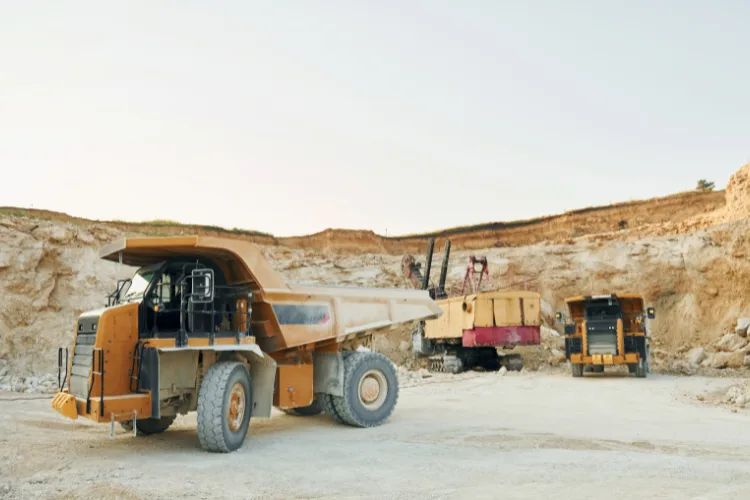
Modern quarrying is changing rapidly. The days when material processing depended mainly on basic machinery and manual decisions are giving way to more connected, efficient and technology-driven operations. Today, quarry operators have access to advanced crushers, screening systems, conveyors, washing equipment and digital technologies that can improve how materials move through a processing plant.
At Quarry Plant Crusher, we focus on the machinery, technology and practical knowledge that support modern quarrying, mining and aggregate production. Understanding how these developments work together can help operators, engineers and decision-makers make informed choices about their plants.
Smarter Crushing for Better Material Processing
Crushing is one of the most important stages in aggregate production. Raw stone must be reduced to suitable sizes before it can be screened, washed, transported or used in construction applications.
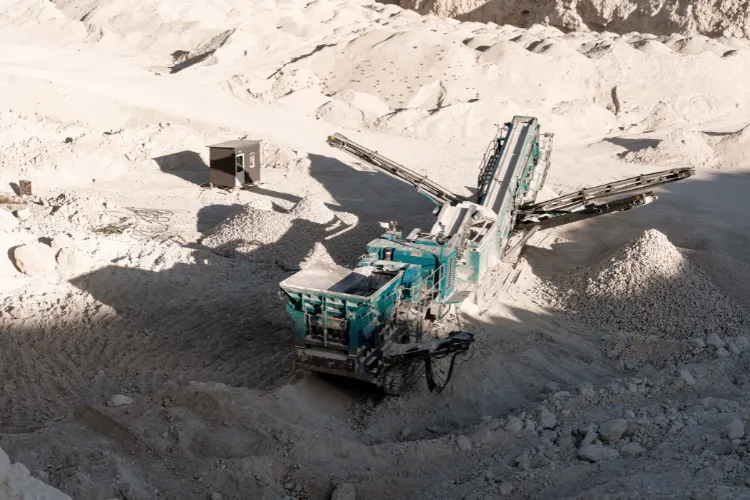
Modern crushing plants offer a range of equipment designed for different materials and processing requirements. Jaw crushers can handle primary crushing, while cone crushers are commonly used for further size reduction. Impact and VSI crushers provide additional options where specific material shapes or final products are required.
Mobile crushing plants have also changed how some quarry operations approach processing. Instead of relying entirely on fixed installations, mobile equipment can provide greater flexibility where material needs to be processed at different locations.
The right combination of crushing equipment can help create a more controlled material flow while supporting production requirements.
Screening Brings Greater Control
Crushing alone does not complete the aggregate production process. Screening separates processed material into different sizes, allowing operators to control the final products more effectively.
Modern screening systems include scalping screens, inclined screens, horizontal screens, trommel systems and mobile screening plants. Each type has different applications depending on the material, required output and plant configuration.
Effective screening can also help prevent unsuitable material from continuing through the processing circuit. By separating products at the right stage, operators can create a more organised flow through the plant and make better use of available equipment.
Connecting the Processing Plant
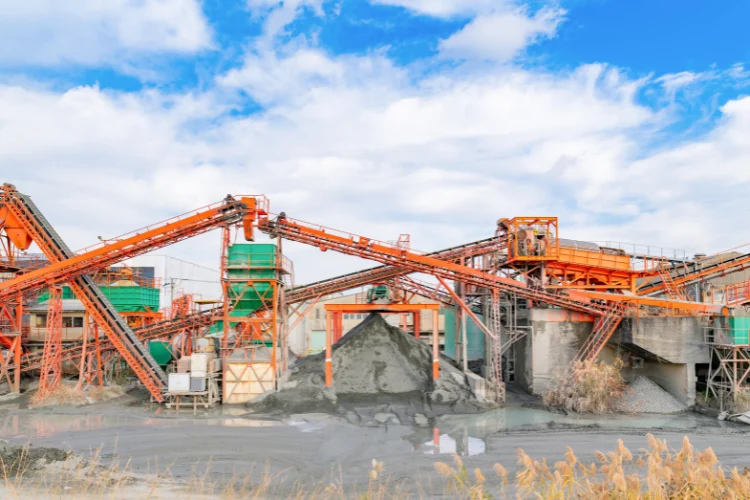
A modern quarry plant is more than a collection of individual machines. Equipment must work together as part of a complete processing system.
Feeders and hoppers regulate material entering the plant, while conveyors move material between different processing stages. Washing systems can support applications where materials require cleaning, while aggregate handling and material recovery equipment contribute to efficient plant operation.
This connected approach allows operators to consider the entire processing circuit rather than focusing on a single machine. A crusher may be highly capable, but its performance also depends on how material is fed into it, screened afterwards and transported throughout the site.
Heavy Plant Supports Quarry Productivity
Material processing also depends on machinery outside the crushing and screening circuit. Excavators, wheel loaders, haul trucks, dozers and drilling equipment all contribute to quarry operations.
These machines support activities such as extraction, loading, transportation, stockpiling and site preparation. When heavy plant and processing equipment are considered together, operators can identify opportunities to improve material flow and reduce unnecessary delays.
Good plant planning therefore involves looking beyond individual machines. The way equipment interacts across the site can have a significant effect on operational efficiency.
Maintenance Is Part of Modern Plant Management
Technology and equipment development are only part of the transformation taking place in quarrying. Maintenance remains a central part of keeping machinery productive.
Regular maintenance strategies can help operators identify potential equipment issues before they develop into larger operational problems. Wear parts management is also important because components exposed to constant material flow can experience significant wear over time.
Monitoring equipment condition, planning maintenance activities and understanding wear patterns can support more predictable plant operations. These practices can also help teams make informed decisions about repairs, replacement parts and equipment performance.
Technology Is Changing Quarry Operations
The future of material processing is increasingly connected with automation, digital monitoring and smarter plant management.
Modern technologies can provide operators with more information about equipment and processing performance. This creates opportunities to make decisions based on operational data rather than relying only on manual observation.
Automation and digital monitoring can also change how teams interact with processing plants. Instead of simply responding to problems after they occur, operators can use available information to monitor performance and identify areas that may require attention.
Electrification and sustainability are also becoming important areas of industry development. As quarrying operations face changing environmental requirements, equipment manufacturers and operators continue to explore technologies that can support more efficient and responsible processing.
Building a More Connected Future
The transformation of quarry plant machinery is not based on one piece of equipment or one technological development. It comes from the way crushers, screens, conveyors, heavy plant, maintenance strategies and digital systems work together.
For quarry professionals, keeping up with these developments is becoming increasingly important. Equipment decisions can influence production, maintenance, operating costs and the overall efficiency of a processing plant.
As automation, electrification, digital monitoring and smarter plant management continue to develop, modern material processing will become increasingly connected. For the people operating, maintaining and managing these systems, understanding that transformation is an important part of preparing for the future of quarrying.