

To navigate UK highway safety amid mineral shortages, you need reliable supplies of aggregates, steel, copper and battery minerals for durable roads, barriers, signals and maintenance equipment. Disruptions can delay repairs, disable lighting or traffic controls, extend lane closures and increase risks for road users and crews. You can reduce exposure through diversified suppliers, realistic lead times, certified alternatives and targeted stocks. Reusing tested asphalt, aggregates and recovered metals also helps keep essential road works on schedule. Discover how these measures fit together.
How Do Minerals Support Safer UK Roads?
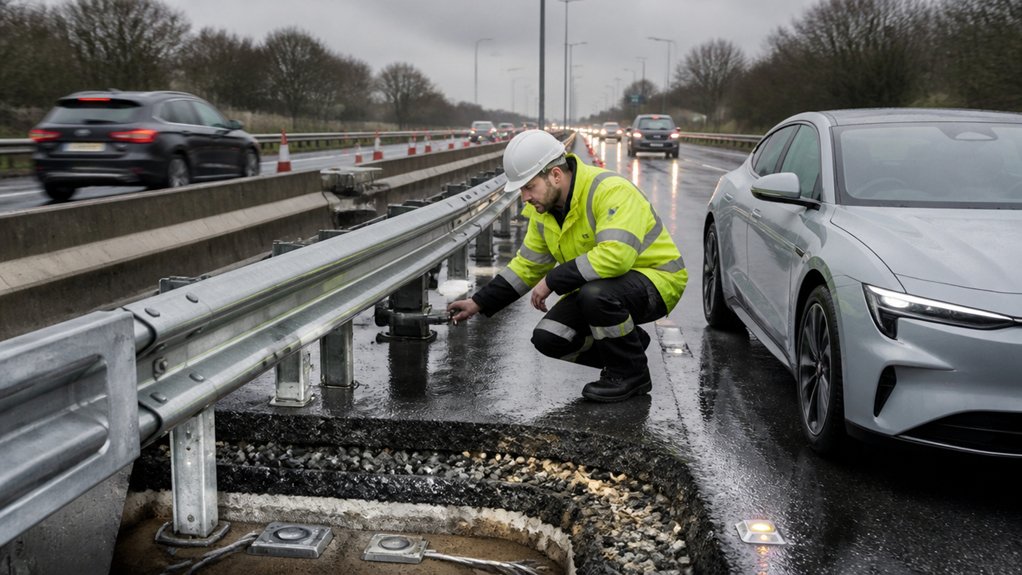
Minerals help keep UK roads safe by giving pavement, barriers, signs and vehicles the strength and durability they need. When you travel, engineered road surfaces rely on mineral aggregates to provide grip, resist wear and drain water, helping reduce skidding and surface failure.
Steel in guardrails and bridge components absorbs impact and maintains structural integrity; mineral-based glass and coatings support visibility and weather resistance. You also depend on minerals in vehicle brakes, tyres, lighting and electronic safety systems, which must perform reliably under demanding conditions.
For highway operators, consistent material quality supports predictable maintenance and safer work zones. Responsible mineral extraction and a resilient supply chain help contractors source materials on schedule, meet engineering specifications and repair defects before they become hazards.
You benefit when procurement, testing and construction teams coordinate, verify performance and protect road users throughout each project.
Which Critical Minerals Do UK Roads Need?
You rely on aggregates and mineral-based binders to give road surfaces strength, grip, and durability.
Safety systems also depend on metals such as copper in signals and electrical networks, and steel in barriers and structures.
Knowing where these materials are used helps you assess supply risks that could affect highway maintenance and safety.
Minerals in Road Materials
Although most road surfaces rely on abundant aggregates and bitumen, UK highways also depend on critical minerals in materials, equipment and infrastructure. In road construction, you’ll encounter copper in power and control cables, while lithium, nickel and graphite support batteries used in site machinery and maintenance fleets. Tungsten can strengthen cutting tools for quarrying and resurfacing; rare earth elements may appear in motors and sensors.
These inputs aren’t usually ingredients in asphalt, but shortages can delay projects, raise costs and constrain repairs. Mineral extraction and processing also carry environmental and supply-chain risks, so you should assess provenance, recycled content and supplier resilience when specifying materials.
Metals in Safety Systems
Beyond road materials and machinery, critical metals help UK safety systems detect hazards and guide drivers. You rely on copper wiring for signals, sensors and roadside communications, while silver supports dependable electrical contacts. Lithium, nickel and cobalt power backup batteries that keep essential equipment running during outages. Aluminium and copper also feature in vehicle detection loops, signs and control cabinets.
These supply chains face pressure from rising demand, concentrated production and environmental costs. Mineral extraction can disrupt communities and ecosystems, so procurement teams must weigh traceability, recycling and long-term availability alongside price.
When shortages delay components, maintenance can suffer and warning systems may fail to meet operational needs.
You can support safety innovations by specifying durable, repairable equipment and recycled-content metals where performance permits. Coordinated purchasing, stock planning and supplier diversification help UK road operators protect system reliability without compromising safety.
Where Could Mineral Shortages Put Road Safety at Risk?
A shortage of critical minerals can disrupt traffic signals, weakening junction control and increasing collision risk. It can also delay repairs to road lighting, reducing visibility for you and other road users.
If manufacturers can’t source minerals for vehicle safety components, replacement parts may become scarce and fleets harder to maintain.
Traffic Signal Disruptions
When critical-mineral shortages delay replacement parts, traffic signals can remain faulty or out of service for longer, leaving drivers, cyclists and pedestrians to navigate junctions with less guidance. If you approach a dark or conflicting signal, slow down, assess the junction and follow applicable signs and road rules; don’t assume other road users have seen you.
Signal controllers, sensors and power components depend on specialist electronics, so constrained supplies can extend repair times, especially where older equipment needs compatible parts. Traffic congestion may build as authorities impose temporary controls or close lanes, increasing pressure on every approach.
Maintain driver awareness, leave space and avoid entering a junction unless you can clear it safely. Highway operators should prioritise high-risk sites, communicate outages promptly and coordinate qualified repairs, while you remain prepared for changing instructions and unpredictable movements.
Lighting System Failures
As critical-mineral shortages delay replacement components, failed streetlights can leave roads, crossings and work zones harder to see at night. If you drive through poorly lit areas, you may spot pedestrians, cyclists and hazards later, reducing your time to react.
Dark stretches can also increase Driver fatigue, especially on long journeys, while obscured Road signage makes junctions and temporary diversions harder to navigate. LED luminaires, drivers, control gear and wiring rely on complex supply chains; constrained access to materials can extend repair lead times and raise costs for councils and contractors.
You can reduce exposure by slowing down, keeping your windscreen clean and using dipped headlights appropriately. Highway operators should prioritise faults near crossings, bends and work zones, maintain spare components, and communicate outages promptly so you can plan safer routes.
Vehicle Safety Component Shortages
Several critical vehicle-safety systems depend on components that can be affected by mineral supply constraints. If shortages delay semiconductors, sensors, or specialised alloys, you may face longer waits for vehicles and replacement parts. That matters when a damaged anti-lock braking system, airbag controller, or electronic stability control unit needs prompt repair.
Mineral constraints can also disrupt production of cameras, radar, and lidar used by Autonomous vehicles and driver-assistance systems. You shouldn’t assume every feature will remain available across model lines; manufacturers may prioritise limited components for higher-margin vehicles.
Reduced access to diagnostic modules can further slow maintenance and repairs.
As the industry meets tighter emission standards, demand for power electronics and battery materials may intensify competition for supply. You can reduce risk by checking recalls, maintaining safety systems, and choosing qualified repairers who can source approved components.
Manufacturers and regulators must strengthen supply-chain resilience.
How Could Shortages Delay UK Road Projects?
Critical-mineral shortages can delay UK road projects by disrupting supplies of steel, aluminium, copper and specialist components used in barriers, lighting, traffic signals and construction equipment. When deliveries slip, you may face stalled installation, idle crews and missed traffic-management windows.
Substituting materials or suppliers can trigger redesigns, fresh testing and approval checks, particularly where crash performance, electrical reliability or durability must meet specifications. These delays can extend lane closures, increase costs and leave temporary layouts in place longer, raising risks for road users and workers.
Build supply chain resilience through early procurement, verified alternatives, buffer stocks and clear supplier monitoring. Government policies and contract terms can support responsible sourcing and realistic lead times.
Coordinate designers, contractors and asset owners early, so you can sequence work safely and protect critical milestones when components become scarce.
Why Is the UK Vulnerable to Mineral Shortages?
Those project delays reflect the UK’s exposure to mineral supply shocks. If you manage highway works, you rely on materials containing copper, lithium, nickel and specialist alloys for signals, power systems, vehicles and safety equipment.
Yet domestic extraction and processing meet only a limited share of demand, leaving your projects dependent on overseas producers and complex transport routes. Supply chain vulnerabilities arise when production concentrates in a few countries, inventories stay lean, or shipping and refining capacity falters.
Geopolitical influences—including export controls, trade disputes and conflict—can restrict access or raise prices with little warning. You may then face longer lead times, uncertain specifications and cost pressure.
These constraints matter for safety: delayed replacement components can affect asset reliability, while hurried substitutions require rigorous testing, certification and compatibility checks before installation on operational roads.
How Can UK Highways Diversify Mineral Supplies?
To reduce exposure to supply shocks, you can diversify sourcing across countries, suppliers and transport routes rather than relying on a small number of producers. Alternative sourcing should cover aggregates, bitumen, steel and critical components, with each option assessed for quality, availability, embodied impacts and delivery reliability.
You’ll need to verify that materials meet UK specifications and perform safely in local conditions before approving them for highway works. International partnerships can help you secure longer-term contracts, share market intelligence and coordinate logistics with trusted producers.
At home, map dependencies across contractors and projects, then set contingency plans for port disruption, export restrictions or price spikes. Keep approved alternatives and supplier capacity under review, so procurement teams can respond quickly without compromising maintenance schedules, worker safety or road-user protection.
How Can Recycling Ease Pressure on Road Minerals?
By reusing reclaimed asphalt, recycled aggregates and recovered metals, highway projects can reduce demand for newly extracted materials and limit exposure to supply disruptions. Recycling initiatives help you capture valuable inputs from resurfacing, demolition and maintenance, while reducing waste sent to landfill.
You can specify recycled content in pavement layers, drainage components and safety barriers, provided materials meet relevant UK standards and project requirements. Test reclaimed asphalt for binder condition and contaminants; assess aggregates for grading, strength and durability; and verify recovered metals for composition and structural performance. This quality control protects skid resistance, pavement life and barrier integrity.
Mineral reuse also lowers pressure on primary sources, but it doesn’t remove the need for careful design, traceability or consistent supply. By building reuse into procurement and site practices, you can conserve resources without compromising road safety.
How Can the UK Keep Road Plans on Track?
Recycling can ease demand for road minerals, but it can’t shield projects from every supply disruption. To keep road plans on track, you need early visibility of material risks, from bitumen and steel to copper for signals and charging infrastructure.
Map critical components against project schedules, qualify multiple suppliers, and hold targeted stocks where storage won’t compromise quality or safety. Build realistic lead times and price contingencies into procurement, then review them with contractors and local authorities.
You can also phase works, prioritising safety-critical repairs and designs that use available, certified materials without weakening performance standards.
Alternative funding, including blended public and private investment, can help bridge cost pressures, but you should protect maintenance budgets from short-term cuts.
Clear policy frameworks, stable specifications, and transparent approvals give suppliers confidence to invest, while coordinated purchasing strengthens your bargaining power and reduces delays.