
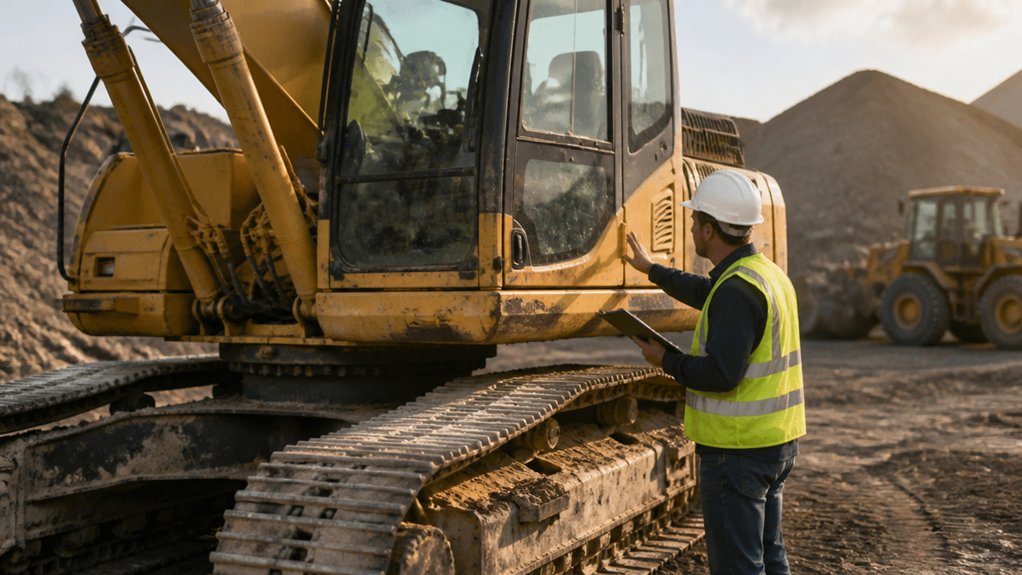
When buying used quarry plant machinery, match each machine to your material, production targets, site layout, utilities, and existing equipment. Set a realistic budget that includes transport, installation, repairs, downtime, and ongoing maintenance—not just the purchase price. Check service records, operating hours, repair history, and warranty terms, then inspect wear, structural condition, and safety features. Ask for a realistic loaded demonstration and verify parts and service support. A careful comparison can help you avoid costly surprises and choose confidently.
Match Used Quarry Machinery to Your Site
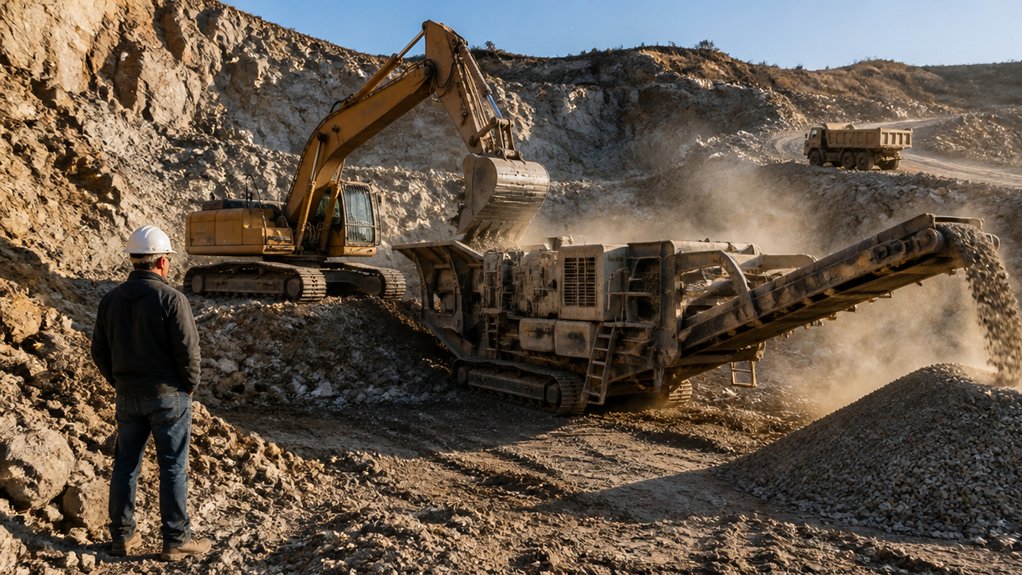
Before you buy, match the plant to your site’s material, production targets, and layout. Check how your feed behaves: abrasive rock, sticky clay, and variable-sized material place different demands on crushers, screens, and conveyors. Choose equipment that can handle your expected throughput without creating bottlenecks elsewhere in the circuit.
Walk the site and confirm access roads, working clearances, ground conditions, and available power. Measure transport routes and installation areas; a machine that won’t fit your layout can disrupt production before it starts.
Consider site environmental conditions, including dust, noise, water availability, and seasonal weather, when selecting configurations and controls. Check local regulations for operating hours, emissions, noise limits, and permits, then verify that the plant can meet them.
Ask how the equipment will integrate with your existing machinery and material flow. Match capacity across the full line, not just the primary crusher.
Budget for Used Quarry Machinery and Repairs
Once the plant fits your site and production needs, build a budget around more than its purchase price. Include transport, lifting, installation, commissioning, and any upgrades needed to meet your output targets. Set aside a repair reserve for worn components and unexpected breakdowns; even a sound machine may need attention soon after arrival.
Use practical Pricing strategies: compare like-for-like machines, account for age and capacity, and negotiate against the cost of required work rather than the asking price alone. Get repair estimates before you commit, and confirm parts and specialist labour are available locally.
Financing options can preserve working capital, but compare interest, fees, repayment terms, and any deposit requirements. Model total ownership costs over the period you expect to run the plant. If the figures leave too little room for routine maintenance, choose a less costly machine or revise your offer.
Check the Machine’s Service Records and History
A machine’s service history can reveal problems that a visual inspection won’t. Ask the seller for complete service records, not just a recent invoice. Check dates, operating hours, reported faults, repairs, and replaced parts against the machine’s stated usage. Consistent entries suggest the owner followed a planned maintenance schedule; long gaps or vague descriptions deserve clear answers.
Confirm who performed the work and whether records include invoices, inspection reports, and parts receipts. Contact the servicing dealer, with the seller’s permission, to verify major repairs and any unresolved recommendations.
Review the Maintenance history for recurring faults that could affect reliability or require further investment.
Ask whether warranty coverage remains, what it includes, and whether it transfers to you. Get the terms in writing, and make continued coverage a condition of sale if needed.
Inspect Wear on Quarry Machinery Components
Inspect high-wear parts such as conveyor belts, crusher liners, and bearings for thinning, cracks, or excessive play.
Check the frame, welds, and mounting points for distortion or structural damage.
Don’t rely on a fresh coat of paint; look closely at the underlying metal.
Check High-Wear Components
Check high-wear components closely: worn crusher liners, conveyor belts, screens, bearings, and track parts can signal heavy use and lead to costly repairs. Compare each part with the manufacturer’s wear limits, and ask when it was last replaced.
Check liner thickness at several points; uneven wear may indicate poor adjustment or unsuitable feed. Examine belts for fraying, cuts, and damaged splices, then inspect screens for broken wires and blocked apertures.
Listen to bearings under operation for grinding or rumbling, and check for excess heat. Measure track wear against service specifications rather than relying on appearance alone.
A clear Wear indicator helps you judge remaining component lifespan and plan replacement costs. Request maintenance records and price essential parts before agreeing a purchase.
If wear exceeds limits, negotiate repairs or walk away.
Assess Structural Damage
Even when wear parts look serviceable, structural damage can make a machine unsafe and costly to repair. Check the frame, chassis, hopper, and support legs for cracks, distortion, and poorly executed repairs. Pay close attention to welds around high-stress joints; fresh paint may hide a defect, so inspect beneath it where possible.
Compare both sides of the machine for uneven sagging or misalignment, and look for signs that bolts have shifted.
Assess structural integrity alongside corrosion assessment. Surface rust may be manageable, but deep pitting, flaking steel, or corrosion around seams can weaken load-bearing sections.
Use a torch and inspection mirror to examine hidden areas, especially beneath conveyors and inside enclosed frames.
Ask for repair records, then have a qualified engineer assess any suspect damage before purchase. Don’t rely on appearance alone.
Test Performance, Safety and Parts Support
Before committing to used quarry machinery, run it under load to see whether it delivers consistent output without excessive vibration, heat, noise or leaks. Check throughput against the machine’s specifications, and test controls, alarms, brakes and emergency stops. Don’t rely on a brief demonstration; observe a full operating cycle and review maintenance records for recurring faults.
Inspect guards, access platforms and isolation points, then confirm the machine meets current site safety requirements. Ask what Operator training the supplier can provide, especially for unfamiliar controls or safety systems. Verify that critical wear parts remain available, with realistic lead times and clear part numbers.
Check whether local technicians can service the model and whether diagnostic tools are accessible. Discuss warranty options carefully, including coverage, exclusions and claim procedures. Record any performance limits or outstanding safety issues before you decide whether the plant suits your operation.
Compare Sellers and Choose the Right Machine
Check each seller’s track record, service history, and willingness to provide clear documentation.
Then match the machine’s capacity, configuration, and condition to your site’s workload and operating constraints.
Don’t pay for features you won’t use—or compromise on the capabilities you need.
Compare Seller Credentials
When comparing sellers, weigh their track records as carefully as the machinery they offer. Check Seller reputation through independent reviews, industry references, and a history of completed sales.
Ask how long the seller has handled quarry equipment and whether they can provide service records, ownership documents, and clear answers about machine condition. A reliable seller won’t dodge questions or pressure you to commit before you’ve verified the facts.
Compare Warranty options closely. Confirm what each warranty covers, how long it lasts, and who pays for labour, parts, or transport if a fault appears. Read exclusions carefully; a short warranty with clear terms may offer more protection than a broad promise with little detail.
Request written quotes, payment terms, and delivery arrangements, then compare them side by side. Choose the seller who communicates openly and supports claims with evidence.
Match Machinery to Needs
Once you’ve narrowed down trustworthy sellers, match each machine to the work it must do. Start with your production targets, material type, and site conditions. A crusher suited to hard rock may struggle with sticky feed, while a screen’s capacity depends on particle size and moisture.
Check Equipment compatibility across the plant: confirm that conveyors, feeders, power supplies, and control systems can work together without costly modifications.
Compare machines by verified output, operating hours, maintenance records, and parts availability—not price alone. Assess manufacturer reputation for durability and long-term support, especially if you’ll rely on the equipment daily.
Ask sellers to demonstrate the machine under realistic conditions and document any limitations. Then weigh purchase cost against transport, installation, repairs, and expected downtime.
Choose the unit that meets your needs reliably, not simply the newest or cheapest option.