

In the UK, you can’t determine whether a site is a mine or quarry just by its name: its workings and statutory classification matter. Mines Regulations 2014 generally govern mines, while the Quarries Regulations 1999 apply to quarries. Both require risk controls and competent management, but their layouts and extraction methods differ. Planning permission doesn’t give you land rights, and both operations may need environmental permits. The distinctions affect safety, access and compliance; the sections below explain how they apply.
What’s the Difference Between a Mine and a Quarry?
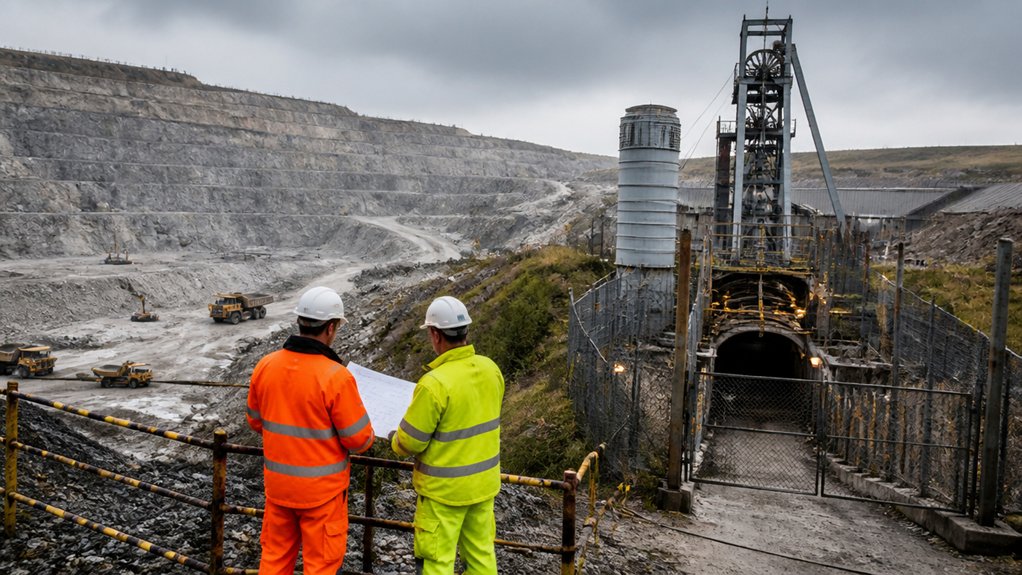
In the UK, the key difference between a mine and a quarry is usually how and where workers extract material: mines typically work underground, while quarries extract rock or minerals from the surface.
You’ll often find mines following seams or veins through shafts and tunnels, using underground workings to reach coal, metal ores or industrial minerals.
A quarry usually exposes a deposit in an open excavation, with benches, faces and haul roads; operators commonly win limestone, granite, sand or gravel there.
These are practical patterns, not absolute definitions: some mines use surface methods, and quarry operators may develop underground workings.
For Mining taxonomy, focus on the extraction method and site layout. Geological distinctions also matter: the deposit’s depth, structure and overburden influence whether you encounter a mine or quarry.
What UK Law Says About Mines and Quarries
Those practical differences don’t, by themselves, determine how UK law classifies a site. You need to examine the activity, minerals worked and applicable legislation. The Mines Regulations 2014 govern health and safety at mines, while the Quarries Regulations 1999 cover health and safety at quarries in Great Britain. HSE guidance and statutory definitions help establish which regime applies; labels used by an operator aren’t decisive.
As an operator, you must identify hazards, assess risks and put suitable controls in place. Depending on the site and your role, duties can include appointing competent management, preparing a health and safety document, maintaining records and notifying the relevant authority.
Legal liabilities may follow breaches of these duties, and insurance requirements can vary by contract, activity and risk. Check current legislation and obtain specialist advice where classification or responsibility is uncertain.
How Do Planning Permission and Land Rights Differ?
You’ll generally need planning permission from the mineral planning authority before you develop a mine or quarry, subject to any permitted development rights.
That permission doesn’t give you the right to enter or work the land: you’ll also need the relevant mineral rights and the landowner’s consent or other lawful access.
Check both before proceeding, as ownership of the surface and ownership of minerals can differ.
Planning Permission Requirements
Although planning permission and land rights are both needed to operate a mine or quarry, they serve different purposes: planning permission authorises development and mineral extraction under planning law, while land rights give you the legal ability to access the site and work the minerals.
In England and Wales, you’ll generally need planning permission from the mineral planning authority before extraction begins; Scotland and Northern Ireland apply separate planning systems.
Your application should define the site, proposed workings, duration, restoration and aftercare. The authority assesses environmental effects, traffic, noise, landscape, community impact and historical significance, and may require an environmental impact assessment.
Permission can impose conditions, including limits on operating hours, monitoring and progressive restoration. You must also secure any required environmental permits and comply with planning conditions; permission alone doesn’t grant land rights or replace other regulatory approvals.
Ownership and Access Rights
Planning permission authorises mineral development, but it doesn’t give you the right to enter land or extract minerals. You must separately establish who owns the land and the minerals, as mineral rights may belong to someone other than the surface owner. Check Land Registry records, title deeds and any leases or mineral reservations; registration may not reveal every historic right.
You’ll need the landowner’s agreement, a lease, an option or another valid legal right to access the site and work the deposit. Planning conditions can’t grant these private rights. Access restrictions may also arise from existing rights of way, covenants, easements or statutory protections.
Resolve Ownership disputes before operations begin: conflicting claims can delay extraction and expose you to injunctions or damages. Obtain specialist property and minerals advice, and document access, compensation and restoration obligations clearly.
What Safety Duties Apply to Mines and Quarries?
Whether a site is classed as a mine or quarry, UK operators must protect workers and others under the Health and Safety at Work etc. Act 1974. You must assess risks, implement controls and provide safe systems of work, suitable training, supervision and equipment.
Safety regulations differ by site: mines are governed principally by the Mines Regulations 2014, while quarries fall under the Quarries Regulations 1999. Both require competent management, but the applicable duties depend on the operation and its classification.
Your hazard management should address ground instability, machinery, explosives, transport, dust and emergency response.
At mines, appoint a mine manager and meet specific rules on health, safety and welfare. At quarries, appoint a quarry manager and maintain a health and safety document.
You must also report specified incidents to the Health and Safety Executive.
What Environmental Rules Apply to Mines and Quarries?
Environmental duties apply to mines and quarries alongside health and safety rules. You must comply with environmental permits issued by the Environment Agency in England, Natural Resources Wales, SEPA or DAERA, as applicable. These permits may control emissions to air, discharges to water, waste management and groundwater risks.
Planning conditions can impose additional requirements, including noise limits, dust suppression, monitoring and site restoration.
You’ll also need to assess whether your activities require an environmental impact assessment or habitats approval. If you handle waste, follow the Environmental Permitting Regulations and applicable waste duty-of-care rules; recycling regulations may govern how you recover or transfer materials.
Effective pollution controls help prevent contamination and protect nearby communities and ecosystems. Regulators can inspect your site, enforce permit conditions and prosecute breaches, so keep records and report incidents promptly.
How Do Mine and Quarry Operations Differ?
You’ll usually find mines extract deposits through underground workings, while quarries typically remove rock from open pits. That difference shapes site layout, access and the planning permissions and safety controls you’ll need to take into account.
Mines may operate for decades, whereas a quarry’s life depends on its reserves, consent conditions and restoration plan.
Extraction Methods
Extraction methods differ chiefly because mines reach deposits beneath the surface, while quarries work deposits exposed at or near ground level. In a UK mine, you may follow a seam through underground roadways, using drilling and blasting, continuous miners or longwall equipment. Some mines instead extract deep deposits through shafts and surface plant. Your choice of extraction techniques depends on geology, safety risks and the mineral’s form.
At a quarry, you’ll typically remove overburden, drill and blast solid rock, then use excavators and loaders to recover and process it. For sand and gravel, you may dig directly or use dredging. These machinery types reflect different ground conditions and working methods.
In either operation, you must assess risks and manage explosives under applicable health and safety law, including relevant HSE requirements and permissions.
Site Layout
Because their workings sit in different places, mines and quarries need distinct site layouts. In a UK mine, you’ll find shafts or declines, underground roadways, ventilation routes, pumping systems and surface facilities arranged to support safe access below ground. You must plan emergency egress, refuge provision and separation of people from moving machinery under applicable health and safety duties.
A quarry’s layout centres on an open pit, with benches, haul roads, processing plant, stockpiles and overburden areas. You’ll need to manage edge protection, vehicle routes, drainage and blasting exclusion zones.
Site infrastructure should reflect the ground conditions and the approved working design. Equipment placement matters: position crushers and conveyors to limit reversing, dust and noise, while keeping access for inspection and maintenance.
Both layouts require risk assessment, competent supervision and clear traffic management, but their hazards differ.
Operational Duration
Site layout reflects how long each operation can work economically: a UK mine may produce for decades, with its life shaped by the deposit, access and ventilation requirements, planning consent and environmental permits. You’ll often see underground workings extend as operators develop new panels and maintain safe access.
A quarry usually extracts from a finite surface deposit, so you’ll see its working life depend on reserves, extraction rates and permitted limits. Phased benches can extend production, but planning conditions may restrict hours, noise, traffic or the direction of working.
Mining regulations require operators to manage health, safety and closure obligations throughout a mine’s life. Quarry licensing and planning permissions don’t guarantee indefinite extraction: you must secure any necessary variations before exceeding approved boundaries or terms.
Both operations need progressive restoration and a funded closure plan, though their timescales differ.