

To choose a cone crusher for maximum output, set your target tonnes per hour, product grading and delivery needs first. Match the chamber and inlet to your feed’s size, hardness, abrasiveness and moisture, then check manufacturer curves to confirm capacity, setting and motor power. Compare liner life, energy use, maintenance and automation—not just purchase price. Finally, verify the machine fits your plant, power supply and UK site access. The following sections explain how to check each factor in practice.
Set Your Cone Crusher’s Output Targets
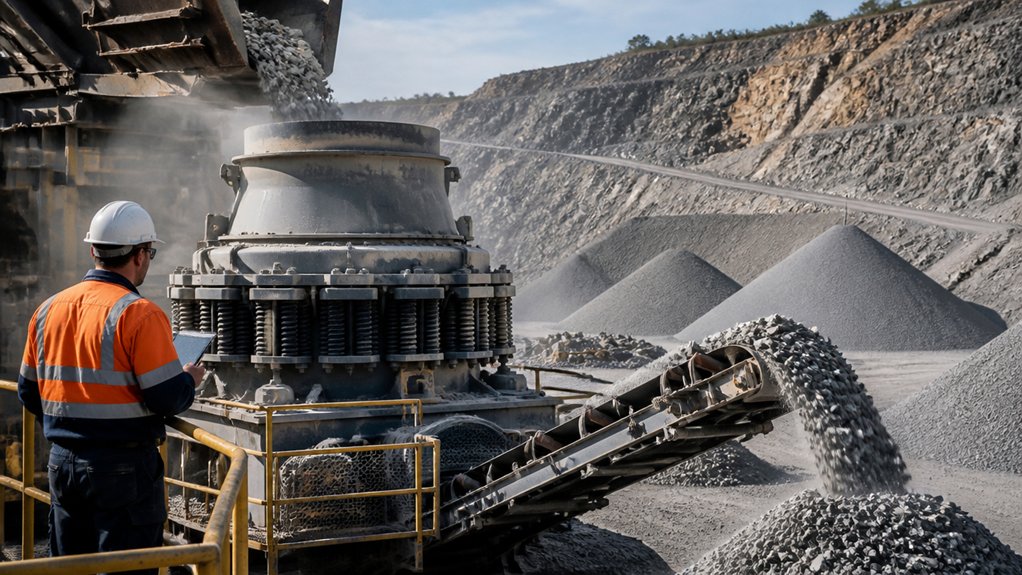
Before choosing a cone crusher, define what you need it to produce. Set a target for finished product size, grading, and hourly throughput, then check that these figures match your plant’s capacity and delivery schedule.
Specify whether you need a single saleable product or several fractions, and allow for changes between shifts. Your target should reflect UK customer specifications and relevant project requirements, not just the crusher’s headline capacity.
In Material recycling, consistent grading can help you meet recycled aggregate standards and reduce costly reprocessing. Consider how operators will monitor output and adjust settings safely; clear controls and reliable measurement make targets easier to maintain.
Include Noise reduction in your brief where sites operate near homes, roads, or workplaces. These defined goals give you a sound basis for comparing crusher performance and operating costs.
Match the Crusher to Your Feed Material
Match your cone crusher to the rock you process, starting by evaluating feed hardness and how abrasive the material is. These properties affect wear rates, liner choice and operating costs.
Check the feed size too, so it suits the crusher’s inlet and doesn’t compromise performance.
Assess Feed Hardness
Assess the hardness of your feed before choosing a cone crusher, because it affects how efficiently the machine crushes and how quickly its liners wear. A practical hardness assessment helps you match the crusher’s power and chamber to the rock you process.
Check geological records, supplier data, and representative samples from your quarry face; don’t rely on a single hand specimen, as hardness can vary across a bench. For a consistent comparison, use a recognised test such as the Los Angeles abrasion test only as supporting information, and consult a materials laboratory for appropriate hardness testing.
Then discuss the results with your equipment supplier. Hard, competent rock may need a robust machine with suitable crushing force, while softer feed can often run at lower settings.
Confirm the specification against your required throughput and product size.
Check Material Abrasiveness
As well as hardness, check how abrasive your feed is, since abrasive minerals can wear cone liners and other crushing surfaces quickly. Quartz-rich granite, gritstone and some recycled aggregates can accelerate wear, raising maintenance costs and reducing availability.
Ask your supplier for representative samples or geological data, then assess the material’s abrasiveness using suitable testing rather than relying on rock names alone.
Choose liners and wear parts with appropriate abrasive resistance for your application. Tougher alloys may extend service life, but the best option depends on your crusher, operating conditions and required output.
Consider Material durability alongside liner cost: longer-lasting components can reduce stoppages, labour and replacement frequency across a UK quarry shift.
Track wear rates during production and adjust inspection intervals to suit your feed. This evidence helps you plan maintenance and protect throughput.
Match Feed Size
Before choosing a cone crusher, check that its maximum feed opening suits the size of material from your primary crusher. Oversized rock can bridge at the inlet, restrict throughput and increase wear; undersized feed may reduce crushing efficiency. Compare your actual Feed size distribution with the manufacturer’s recommended limits, not just the largest lump.
Include the effects of blasting, screening and seasonal changes at your UK quarry, where wet fines can alter how material moves through the chamber.
Good crusher compatibility also depends on the feed’s grading and consistency. Aim for a steady, well-graded supply, and remove fines where the equipment guidance recommends it. Check the closed-side setting and chamber profile against your target product and downstream screens.
If feed varies, discuss suitable settings or a different model with your supplier before installation.
Choose a Cone Crusher Chamber for Your Product
Choose a chamber that suits your feed size and shape to maintain steady, efficient crushing.
Then adjust the setting and chamber profile to produce the gradation your UK project needs.
Check the crusher manufacturer’s guidance before changing chambers.
Match Chamber to Feed
The right cone crusher chamber depends on the feed’s size, shape and grading, as well as the product you need. Check the feed against the manufacturer’s limits before selecting a profile. Oversize rock can bridge at the opening, while excessive fines may reduce throughput and increase wear. Irregular or flaky material can also affect how evenly the chamber fills.
Chamber design determines the crushing zone and how material moves through it. Choose a profile that suits your feed’s top size and hardness, and confirm Feed compatibility with your quarry’s actual blend—not just a sample from one face.
If geology varies across the bench, review the chamber choice with your supplier and consider how often you’ll need to adjust the feed arrangement. Keep the crusher consistently fed within its operating limits to protect liners and maintain reliable output.
Optimize Product Gradation
Your target gradation should guide the chamber choice: a profile that produces the right particle-size distribution can reduce recirculation and help meet the next stage’s requirements. Match the chamber to your end use: a finer profile may suit manufactured sand, while coarser output can support roadstone or primary aggregate.
Check the crusher’s closed-side setting, feed consistency and liner profile together; changing the setting alone won’t always deliver the required grading. Sample product regularly and compare results with your UK specification, such as the relevant BS EN requirements.
If fines or oversize rise, review feed distribution, wear and operating conditions before adjusting. Material durability affects liner wear and gradation stability, so include inspections in Maintenance scheduling.
Track results after each change, and confirm the final product meets your customer’s grading limits.
Match Crusher Capacity and Power to Demand
How much material must you process per hour, and at what feed size? Set your target using the tonnes per hour your quarry needs, then check the crusher’s rated capacity against your actual feed gradation, bulk density and moisture. A rating based on ideal conditions won’t guarantee output with wet, sticky or oversize material.
Match motor power to the required throughput and crushing duty. If power’s underspecified, the crusher may struggle under load; excess capacity can leave you paying for equipment you don’t need. Check the manufacturer’s performance curves and confirm the proposed setting, chamber and feed arrangement suit your production plan.
Account for UK site constraints, including available electrical supply and duty cycles. Good Motor efficiency helps control energy use, while maintenance scheduling should reflect operating hours and planned production, so you can maintain reliable output without disrupting demand.
Compare Wear Parts, Automation, and Running Costs
Once capacity and power suit the production target, compare the costs of keeping the crusher running. Assess Wear part durability against your feed’s abrasiveness and the tonnes you expect between change-outs. Ask suppliers for wear-life data from comparable UK quarries, not just headline prices.
Check whether liners, mantles and other components are readily available, and include labour and planned downtime in your cost per tonne.
Then examine automation integration. A system that monitors load, adjusts settings and flags wear can help you maintain consistent product and reduce unplanned stoppages. Confirm what sensors and controls come as standard, and whether your team can use the data without specialist support.
Compare energy use, maintenance intervals and service cover alongside purchase cost. A cheaper machine may cost more over its working life if parts wear quickly or support is slow.
Confirm the Crusher Fits Your Plant and Site
A crusher that meets your production target still needs to fit your plant and site. Check its dimensions, operating weight and maintenance clearances against your foundations, access routes and available lifting equipment. Confirm that feed and discharge conveyors align with the layout, and that you can safely move material around the machine.
Assess site accessibility before choosing a static or mobile unit. Narrow rural roads, weak bridges, low structures and restricted turning areas can prevent delivery or relocation. Ask your supplier to verify transport dimensions and lifting requirements before installation.
Review environmental considerations, including noise, dust, vibration, drainage and proximity to homes or protected areas. You may need screening, water sprays, acoustic controls or planning approval.
Check UK permitting and site conditions, then confirm power supply, guarding and emergency access. A practical fit reduces installation delays and supports reliable, compliant operation.