

Prevent costly quarry-crusher downtime by watching for falling throughput, uneven product, rising temperatures, unusual vibration and noise. Inspect jaw plates, bearings, belts, drives, lubrication lines and chutes on a planned schedule, and record wear or recurring faults. Keep feed even, remove tramp metal and clear build-ups only after isolating and locking off the plant. Use trained staff, approved parts and secure guards before restarting. The sections below explain how to spot and prevent common failures.
Recognize Early Signs of Crusher Wear
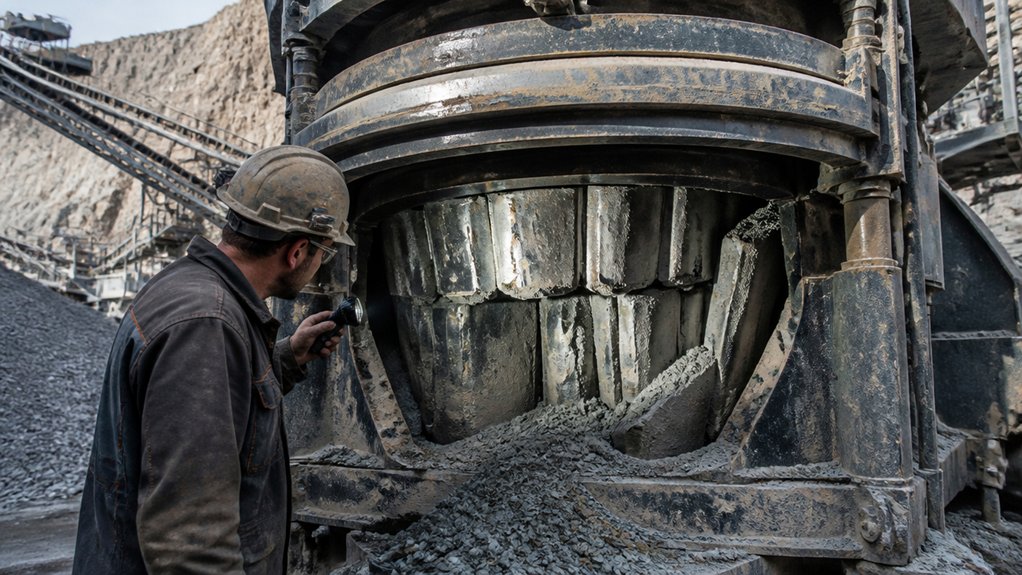
Catch crusher wear early by checking for changes in output, vibration and noise before they lead to a breakdown. Compare daily production figures with your normal baseline; falling throughput or uneven product sizes can signal worn components.
Listen for new knocking, grinding or rattling, and watch for unusual movement or rising temperatures. Use sensor diagnostics to track vibration, bearing heat and motor load, then investigate trends rather than waiting for an alarm.
Check lubrication management records and inspect for leaks, blocked lines or contaminated grease, following the manufacturer’s schedule.
Before any inspection, isolate the crusher, lock off the power and verify the equipment can’t restart. Keep clear of moving parts and use suitable PPE.
Record findings, report concerns to your supervisor and arrange a competent inspection promptly, in line with your site’s UK risk assessments and procedures.
Prevent Quarry Crusher Jaw Plate Damage
To prevent jaw plate damage, inspect the plates regularly and follow your site’s safe isolation procedures before checks.
Keep the feed even and within the crusher’s specified limits to reduce impact and wear.
Replace worn plates promptly, using suitable lifting equipment and trained operators.
Inspect Jaw Plates Regularly
Inspect jaw plates regularly for uneven wear, cracks, loose fasteners or damage, as these faults can reduce crushing efficiency and put workers at risk.
Schedule jaw plate inspection at intervals set by your manufacturer and site risk assessment. Before opening the crusher, isolate it, lock off the power and confirm the equipment can’t restart. Follow your quarry’s safe system of work; never reach into the crushing chamber while it’s live.
Use wear pattern analysis to spot uneven contact, excessive thinning or movement between plates. Check fasteners and mounting surfaces, and look for cracks that could lead to sudden failure. Record findings, measurements and photographs so you can track changes and plan replacement before damage worsens.
If you find a defect, keep the crusher out of service until a competent person assesses and repairs it. Use suitable tools and PPE, and follow UK health and safety requirements.
Maintain Proper Feed
Feed the crusher evenly to prevent jaw plate damage and unsafe blockages. Use suitable feeding techniques: keep material within the hopper’s capacity and distribute it across the chamber, rather than dumping large loads in one spot.
Oversized rock, tramp metal, and uneven feed can cause impact damage, bridging, and excessive stress. Check incoming material and use a grizzly or scalping screen where specified to remove unsuitable pieces before they reach the jaws.
Set crusher calibration to match the feed size, required product, and manufacturer’s instructions. Don’t alter settings while the machine’s running; isolate and lock off equipment before clearing a blockage or making adjustments.
Keep clear of the hopper and never reach into the chamber. Train operators to recognize surging, bridging, and abnormal vibration, then stop safely and report faults promptly.
Replace Worn Plates Promptly
Even with a steady feed, worn jaw plates can reduce grip, slow production and put extra strain on the crusher. Check your plates routinely for uneven wear, cracks, loose fixings and a smooth profile. Follow the manufacturer’s limits; don’t wait for poor output or metal-to-metal contact before acting.
A clear Replacement strategy helps you order parts ahead, schedule maintenance and avoid costly unplanned stoppages. Keep suitable spares on site, especially if delivery times are long in your area.
Before inspection or replacement, isolate the crusher, lock off the power and follow your site’s permit and risk-assessment procedures. Use approved lifting gear and trained personnel: jaw plates are heavy and can shift unexpectedly.
Fit and secure new plates to the manufacturer’s instructions, then check clearances before restarting. Record wear patterns to guide future checks and purchasing.
Keep Crusher Feed and Chutes Flowing
Keep feed moving evenly to prevent bridging and sudden surges into the crusher.
Check chutes for build-up and clear blockages only after isolating and locking off the plant.
Don’t enter a chute or reach into moving equipment; follow your site’s safe system of work.
Prevent Feed Bridging
When material bridges in a hopper or chute, the crusher can starve while a sudden collapse creates a serious hazard. You can reduce bridging by matching chute design to the rock’s size, shape, moisture, and clay content. Avoid ledges, abrupt changes in direction, and narrow sections that trap material; ask a competent engineer to review persistent problem areas.
Keep feed consistency steady by controlling loading and avoiding surges of wet fines or oversized lumps. Fit suitable level sensors or cameras where they help operators spot a developing blockage from a safe position.
If flow stops, follow your site’s isolation and lock-off procedures before anyone investigates. Never enter a hopper or reach into a chute to dislodge material. Use approved remote methods, and ensure workers follow your quarry’s risk assessment and safe system of work.
Maintain Clear Chutes
After preventing bridges, maintain clear chutes so feed reaches the crusher steadily. Inspect liners, skirts and transfer points at the start of each shift, and look for build-up, damage or narrowing that could restrict material.
Check chute alignment after maintenance or impact; even a small shift can cause spillage, uneven loading or blockages.
Schedule debris removal during planned stoppages, using suitable tools and following your site’s isolation procedure. Never reach into a chute or clear a blockage while equipment can move.
If material hangs up, stop the feed, isolate and lock off the plant, then follow your quarry’s safe system of work.
Wear required PPE and use approved access platforms.
Record recurring build-ups and report worn liners promptly.
These checks help you keep flow consistent, protect workers and reduce unplanned downtime.
Prevent Crusher Blockages and Sudden Stops
To prevent blockages and sudden stops, feed the crusher evenly and only with material it’s designed to handle. Match the feed size to the manufacturer’s limits, and don’t overload the chamber. Use Material segregation to remove unsuitable items, such as timber, metal and clay-rich fines, before they reach the machine.
Check the feed hopper and belts during routine inspections, and keep the area clear so you can spot problems early.
Good operator training helps your team recognise bridging, uneven flow and signs of a developing blockage. Agree clear hand signals and stop-work procedures, especially where visibility is poor.
If material bridges, stop and isolate the crusher under your site’s lock-off procedure before anyone approaches or clears it. Never use a bar or reach into moving equipment.
Record recurring feed issues and adjust the process with your supervisor.
Find the Cause of Crusher Vibration and Noise
Once feed flow is under control, investigate any unusual crusher vibration or noise promptly. Don’t dismiss a new rattle, knock or change in pitch: it may signal a loose liner, trapped material, uneven loading or a damaged component. Stop the crusher safely, isolate it under your site’s lock-off procedure and keep people clear before inspection. Never reach into a running machine or remove guards while it’s live.
Use Vibration analysis to compare readings with the manufacturer’s limits and your normal operating baseline. Check the machine’s foundation, mounting points and chamber for visible movement, wear or lodged debris.
Record when the noise occurs and whether it changes with load; this helps your maintenance team pinpoint the cause.
Apply Noise mitigation through prompt repairs, suitable acoustic barriers and hearing protection. Follow UK site rules and assess exposure under COSHH and noise regulations.
Protect Crusher Bearings, Belts, and Drives
If vibration or noise checks reveal no obvious fault, inspect the bearings, belts and drives for heat, wear, misalignment or contamination.
Isolate the crusher, lock off the power and follow your site’s safe system of work before removing guards or touching components.
Check bearing housings for leaks, damaged seals and excess play.
Use the manufacturer’s Lubrication techniques: apply the specified grease or oil in the correct quantity, and don’t mix incompatible products.
Confirm Bearing alignment with suitable tools; correct misalignment before it accelerates wear.
Examine belts for cracking, fraying and glazing, and check tension against the manufacturer’s limits.
Inspect pulleys, couplings and drive mounts for looseness or damage.
Replace defective parts with approved components, refit guards securely, then clear tools and personnel before restarting under your site’s procedures.
Set a Routine Quarry Crusher Maintenance Schedule
A routine maintenance schedule helps you catch wear before it causes breakdowns or puts people at risk. Set daily, weekly and monthly checks around your crusher’s workload, manufacturer guidance and site conditions. Assign each task to a trained person, and record findings, repairs and outstanding defects in a maintenance log.
Scheduling inspections before shifts lets you check guards, emergency stops, feed systems, lubrication, belts and signs of cracking or loose fixings. Isolate the plant, lock off power and verify it’s safe before anyone works on it. Never inspect moving machinery.
Plan servicing during shutdowns, and keep critical spares available to limit delays. Include calibrating equipment, such as belt scales and metal detectors, at the intervals specified by the manufacturer.
Review records regularly, act promptly on defects, and follow relevant HSE guidance and site procedures.