
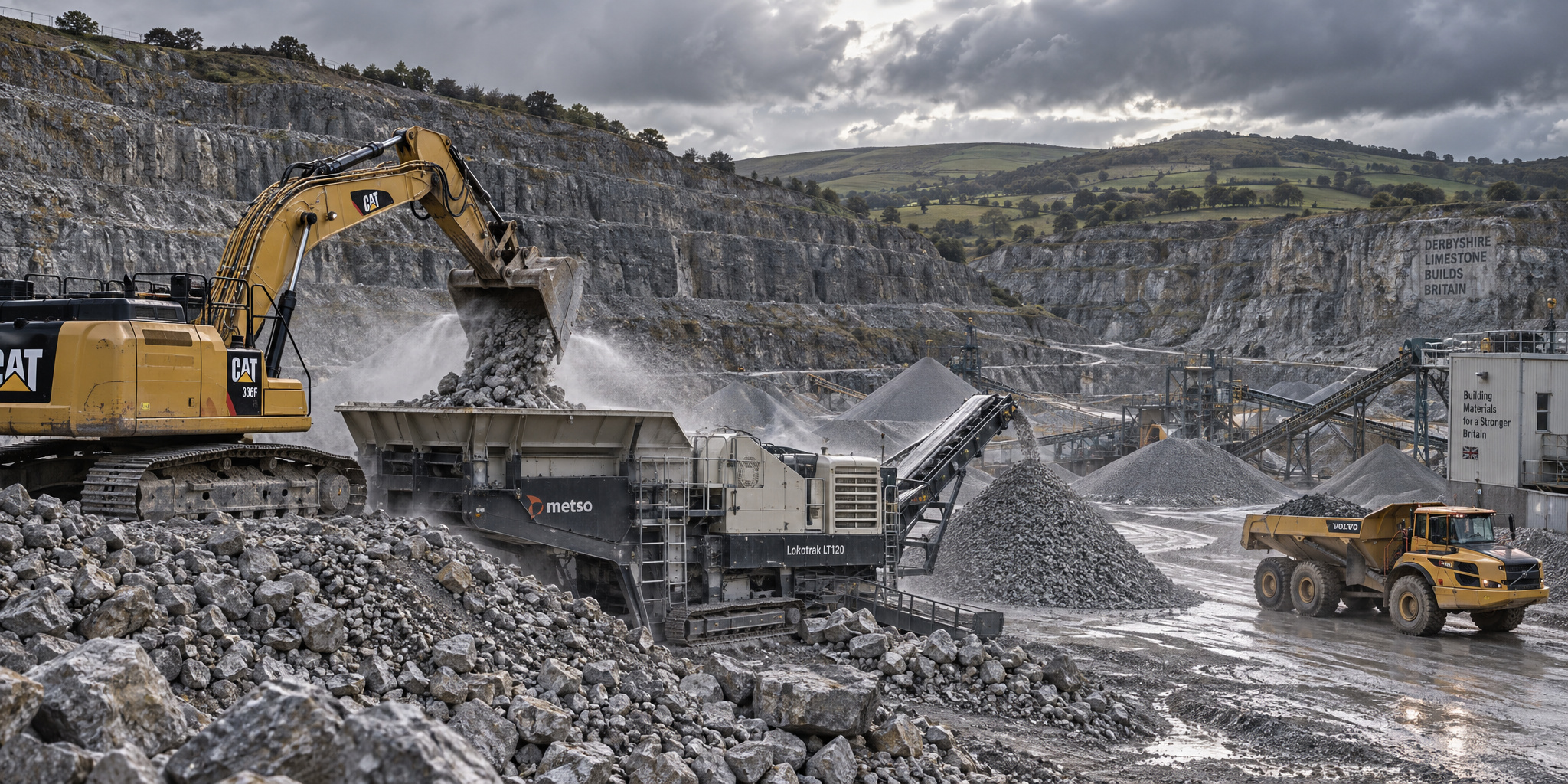
From Rock to Road: The Ultimate Blueprint for Modern Aggregate Production
Modern aggregate production forms the unseen backbone of global infrastructure, turning raw rock into the foundational materials that shape our world. Every highway, bridge, and skyscraper relies on these processed stones to provide structural integrity and longevity. This transformation from a solid rock face to a graded road base is a complex journey that requires immense mechanical force and careful engineering. Without this steady supply of material, the physical expansion of cities and the maintenance of transport networks would come to a complete standstill.
The blueprint for successful material processing involves a strategic blend of mechanical precision and smart, sustainable technology to ensure high yields and environmental responsibility. Operators today manage a delicate balance between crushing heavy stone and meeting strict quality standards for size and shape. By integrating data-driven logistics with advanced crushing techniques, a quarry can produce high-performance construction aggregates while keeping waste to a minimum. This methodical approach ensures that every ton of extracted rock serves a specific purpose in the building process.
The industry currently faces a landscape of rising energy costs, stricter environmental regulations, and fluctuating material specifications. These challenges make traditional, “one-size-fits-all” crushing methods less effective than they were in previous decades. Modern plants must adapt by using geological mapping for better extraction and precision blasting to achieve the right rock fragmentation from the start. This transition from old-school methods to an optimized, data-driven production blueprint is no longer optional for those who want to remain competitive.
- Extraction and primary blast optimization through geological mapping.
- Crushing and screening precision to achieve exact particle size distribution.
- Operational efficiency using telematics and IoT for machine health.
- Sustainability practices focused on water management and recycled aggregates.
Successful production requires a deep understanding of rock hardness to choose the correct machinery for the job. Using the wrong crusher can lead to excessive wear and tear, which drives up maintenance costs and causes unplanned downtime. When a plant uses the right equipment and monitors it with predictive maintenance tools, the difference in performance is night and day. This article examines the foundational principles and advanced techniques that drive modern production, allowing the reader to appreciate the complexity behind every mile of paved road.
Efficient extraction and primary blast optimization establish the foundational quality of the entire material supply chain by ensuring raw stone is detached from the quarry face in manageable, uniform sizes. Operators who prioritize precision fragmentation during this initial stage significantly reduce the mechanical stress placed on primary crushers, which prevents unnecessary equipment wear and lowers energy consumption across the plant. By utilizing advanced geological mapping to guide these early explosive events, a site manager can maximize the yield of usable stone while minimizing the production of oversized boulders that require costly secondary breakage.
Geological Mapping for Better Quarrying
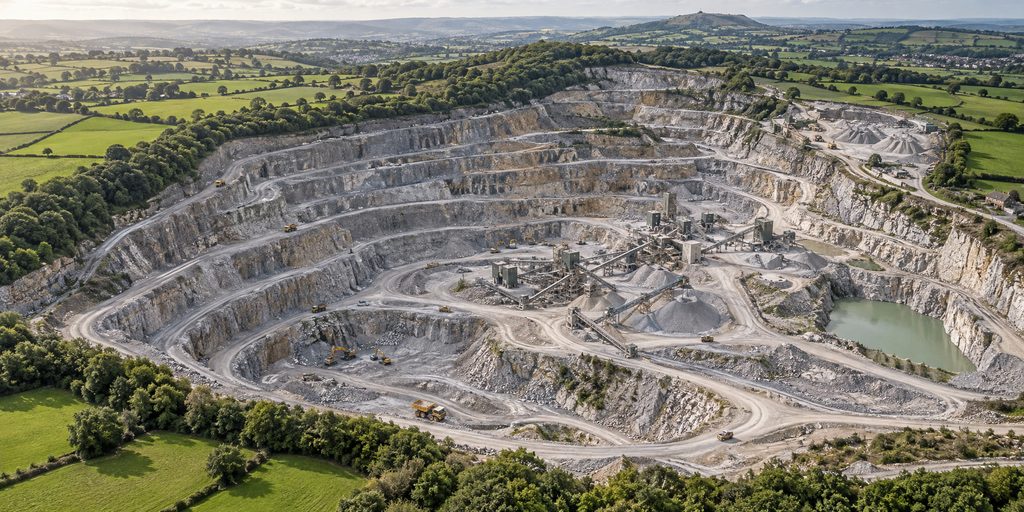
A staggering 100% of efficient aggregate production begins with what is hidden beneath the topsoil rather than what is visible on the surface. Geological mapping provides the technical blueprint for the entire extraction process, moving beyond guesswork to identify high-value rock deposits with surgical accuracy. By utilizing advanced 3D modeling and geospatial analysis, operators can visualize the internal structure of a quarry before a single drill bit touches the ground. This initial data-gathering phase ensures that the material being extracted meets the specific quality standards required for heavy infrastructure projects.
Modern surveying has evolved from manual site walks to sophisticated digital captures that define the boundaries of a resource. To maximize the yield of a site, professionals rely on a specific set of mapping tools and data points:
- Drone surveying to capture high-resolution aerial imagery and topographical data without risking personnel safety on unstable benches.
- Photogrammetry which converts 2D images into precise 3D models of rock faces to measure volume and slope stability.
- Lithological logging to document variations in rock types, ensuring the machinery is prepared for specific mineral compositions.
- Structural mapping to identify faults, joints, and bedding planes that dictate how the rock will naturally break.
Identifying the best rock faces through these digital models allows managers to pinpoint optimal drill sites with high confidence. For example, a quarry using drone surveys to create detailed 3D models of rock formations can detect subtle changes in density that are invisible to the naked eye. This allows them to avoid pockets of contaminated or soft material that would otherwise degrade the quality of the final aggregate. It is not just about finding the rock; it is about finding the specific section of the deposit that offers the highest resistance to wear and the best fragmentation potential.
Geological data acts as the primary driver for blast design, which is the most critical cost-saving lever in the early stages of production. When engineers understand the exact orientation of rock joints and the thickness of the layers, they can calculate the precise amount of energy required to displace the material. This level of detail prevents the common mistake of over-blasting, which wastes explosives and creates excessive dust, or under-blasting, which leaves behind oversized boulders that are difficult for loaders to handle. It is a calculated approach where the geology dictates the chemistry of the extraction.
I have seen operations where skipping the mapping phase resulted in weeks of processing “trash” rock that could not be sold for high-grade concrete applications. It is a costly error that ripples through the entire plant. By mapping the site first, the production team can sequence the quarrying benches to ensure a consistent feed of raw material to the primary crusher. This consistency is the secret to maintaining a steady throughput and avoiding the mechanical shocks associated with sudden changes in material hardness.
Precision in the mapping phase directly informs the subsequent fragmentation strategy, as the location of every borehole is determined by the specific geological anomalies identified in the 3D model. This ensures that the energy from the primary blast is distributed evenly throughout the rock mass. High-resolution mapping essentially turns a chaotic rock face into a predictable grid of data points. A well-mapped quarry face typically requires fewer drill holes to achieve the same volume of broken rock compared to a site relying on traditional estimation methods.
Precision Blasting for Optimal Fragmentation
A blast technician stands on a quarry bench, entering specific rock density and moisture data into a handheld tablet rather than simply estimating the powder factor. This transition toward calculated fragmentation blasting ensures that the energy from explosives is distributed with mathematical accuracy across the rock mass. By focusing on the specific breakage characteristics of the local geology, operators can produce a consistent pile of rock that matches the intake capacity of the plant. This approach serves as the primary stage of Aggregate Production, where the goal is to break the rock into the smallest usable pieces before it ever reaches a machine.
Calculated fragmentation blasting provides a direct answer to the problem of oversized boulders that stall production. When explosives are placed based on precise rock breakage simulations, the resulting material is uniform enough to flow through the system without manual intervention. This level of control is achieved through blast design software, which simulates rock breakage patterns to help engineers fine-tune explosive loads for specific rock types. Instead of using a standard amount of dynamite for every hole, the software accounts for voids and seams in the stone to prevent wasted energy and dangerous flyrock.
The impact of this precision extends far beyond the blast site itself. When the rock is broken into an ideal size distribution during the explosion, it slashes fuel consumption during haulage because trucks can be loaded to their maximum volume without leaving large empty gaps between jagged boulders. It also prevents the “bridging” effect, where large rocks get stuck in the hopper, forcing a complete shutdown of the line. I have seen operations where a single oversized rock caused two hours of downtime; precision blasting essentially eliminates that risk by treating the explosion as the first step of the crushing process.
- Reduced secondary breakage: Higher precision means fewer “overs” that require a secondary impact hammer to break down.
- Improved muckpile profile: Controlled blasts create a pile that is easier for loaders to dig into, reducing tire wear and hydraulic strain.
- Vibration control: Software-driven timing sequences ensure that the seismic impact is kept within regulatory limits for nearby structures.
- Energy efficiency: Breaking rock with chemistry (explosives) is significantly cheaper than breaking it with mechanical electricity later.
Heavy equipment longevity is perhaps the most significant financial benefit of this methodology. Using blast design software to achieve smaller, more uniform fragments reduces wear and tear on primary crushers by allowing the machine to operate at a consistent speed. When the crusher does not have to struggle against massive, dense blocks, the internal liners and mantles last much longer. This foresight in the extraction phase dictates exactly which type of machinery will be needed later in the circuit, as the size of the incoming feed is now a known variable rather than a guess.
Choosing the right explosive timing is a delicate balance of physics and economics. If the blast is too weak, the primary crusher is forced to do more work than it was designed for, leading to overheated motors and premature failure of the bearings. Conversely, an over-engineered blast wastes expensive chemical agents and creates too much “fines” or dust, which cannot be sold as high-value aggregate. Modern engineers use high-speed cameras and post-blast fragmentation analysis to compare the actual results against the software’s initial breakage simulation.
Data from these post-blast reviews allows for a continuous feedback loop that refines the entire extraction strategy. As the quarry face moves deeper into the earth, the rock characteristics often change, requiring the blast design software to be updated with new lithological data. This ensures that the fragmentation remains optimal even as the physical environment evolves. A well-executed blast results in a muckpile that sits at a natural angle of repose, allowing the loading equipment to move through the material with minimal resistance and maximum efficiency.
Precision crushing and screening transform raw, blasted rock into standardized, high-performance construction materials through a series of mechanical reductions and size-sorting stages. This phase of aggregate production relies on matching specific machinery to the geological hardness of the stone to ensure the final product meets strict engineering specifications. By utilizing closed-loop systems, operators achieve an exact particle size distribution, which prevents the waste of oversized material and ensures the structural integrity of the roads and buildings that rely on these foundational elements.
Rock hardness dictates machinery selection. Choosing the wrong equipment leads to excessive maintenance costs and poor material quality. Effective Aggregate Production relies on matching specific crusher types to the varying hardness and characteristics of raw rock materials. This alignment ensures that the energy applied during the reduction process translates into uniform products rather than machine damage.
When a quarry deals with abrasive materials like granite, a jaw crusher serves as the standard primary tool. These machines use a heavy-duty compression force to squeeze rock between a fixed and a moving plate. I have found that attempting to use a high-speed impactor on hard granite is a mistake that results in rapid wear on blow bars and frequent, expensive shutdowns. The jaw crusher is the workhorse for the initial breakdown, handling the irregular sizes that arrive from the blast site.
Soft stones like limestone require a different approach. For these materials, an impact crusher is often the superior choice because it uses high-speed collisions rather than just pressure. This method produces a more cubical shape, which is highly valued in concrete and asphalt applications.
If the rock isn’t overly abrasive, the impactor can sometimes handle both primary and secondary duties, simplifying the plant layout significantly. I would always recommend testing the silica content of the rock before committing to an impactor, as even a small increase in abrasiveness can double your wear-part costs.
Secondary crushing is where the material reaches its final refined state. After the jaw crusher performs the heavy lifting, the stone typically moves to a cone crusher. This machine operates by rotating an eccentric mantle within a bowl, further compressing the rock.
This staged approach is necessary because a single machine rarely has the reduction ratio required to turn a massive boulder into a half-inch road base in one pass. It is a mechanical progression that builds on the initial fragmentation achieved during the extraction phase.
Matching Mechanical Force to Material Density
The density and compressive strength of the rock determine the “crushability” of the deposit. Engineers often measure this using the Bond Impact Crusher Work Index to calculate the power required for size reduction. High-strength rocks require more kilowatt-hours per ton, meaning the electrical or fuel demand of the plant rises sharply if the machinery isn’t perfectly calibrated for the specific lithology of the site. I suggest skipping the budget-tier liners if you are working with rock that exceeds 200 MPa in compressive strength; the downtime for replacements will quickly eat any initial savings.
Operating a plant without considering rock abrasiveness is a recipe for financial failure. Abrasiveness is different from hardness; it refers to how much the rock surface grinds away at the metal components of the crusher. High-silica rocks act like sandpaper on the internal parts of the machine.
In these environments, the closed-side setting of a cone crusher must be monitored daily to ensure the output remains within the tight tolerances required for modern infrastructure projects. This precision is what allows a quarry to produce high-performance construction sizes consistently.
The flow of material through these machines is not just about size reduction; it is about preparing the stone for the sorting process. While the crushers focus on breaking the rock, the system relies on the assumption that the material will eventually be categorized by size. This leads to the necessity of screening, where the various fractions are separated into distinct stockpiles. Without accurate crushing, the screens become overloaded with “recirculating load,” which is material that is too large and must be sent back through the crushers again, wasting energy and time.
Modern plants now use sensors to monitor the liner wear in real-time, allowing operators to adjust the crusher settings without stopping production. This level of mechanical precision ensures that even as the internal parts of a jaw or cone crusher wear down, the output size remains stable. In a high-volume granite operation, a heavy-duty jaw crusher might process several hundred tons per hour before the material is fed into a secondary cone crusher for the final reduction. This 2026 standard of staged processing ensures that the final aggregate meets the strict durability requirements for highway foundations.
Vibratory screening decks act as the final gatekeeper in the production line, ensuring that every grain of stone matches the specific dimensions required for high-grade construction. While the crushing phase breaks the material down, it is the screening process that provides the necessary strict particle size distribution demanded by modern engineering codes. Without this precise separation, the resulting product would be a chaotic mix of fines and oversized chunks that fail to provide the structural stability needed for road bases or concrete mixes. In my experience, a plant is only as reliable as its screening efficiency; if the screens are blind or damaged, the entire operation loses its commercial value.
Compliance with ASTM standards serves as the benchmark for quality in the international market. These standards dictate exactly how much material can fall within certain size ranges, leaving almost no room for error. Achieving this level of precision requires more than just a simple mesh; it demands a systematic approach where gravity and mechanical vibration work in tandem to stratify the material. Larger rocks stay on top, while smaller particles migrate toward the screen surface, ensuring that the final output is uniform and predictable for the end user.
The mechanics of a multi-deck vibratory screen illustrate this precision in action, particularly when processing materials like crushed limestone. In a typical setup, the machine might separate the stone into three distinct sizes simultaneously. The top deck catches the largest fragments, the middle deck handles intermediate aggregate, and the bottom deck allows only the finest material to pass through. This physical sorting is the only way to guarantee that a batch of 10mm stone doesn’t contain a hidden percentage of 20mm waste that could compromise a paving project.
Closed-Loop Circuits and Waste Mitigation
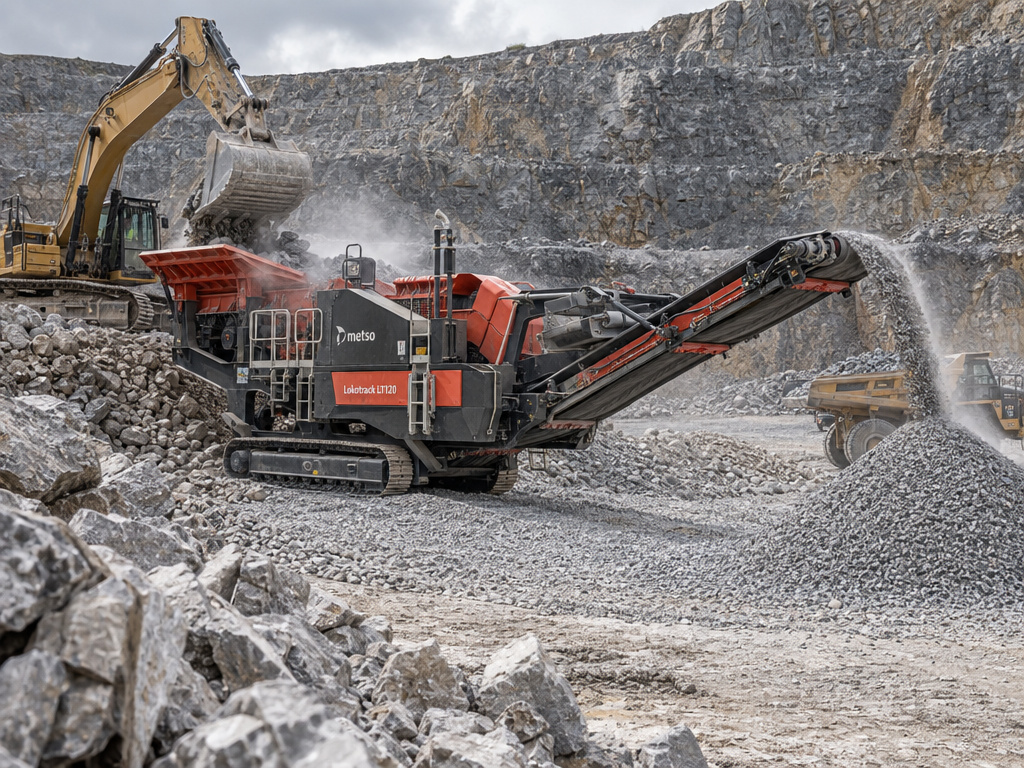
Implementing closed-loop circuits is the most effective strategy for hitting 100% specification compliance while maintaining a zero waste policy. In this configuration, any material that is too large to pass through the primary screen decks is not discarded as a failure. Instead, these recirculating loads are automatically diverted back to the secondary or tertiary crushers for another pass. This continuous cycle ensures that every single rock eventually reaches the correct dimensions, maximizing the total yield from the quarry face without requiring additional extraction.
Efficiency in these loops is measured by how quickly the system can identify and return oversized material. I have found that operators who ignore the balance of their recirculating loads often see their crushers become overwhelmed by “bouncing” rocks that never get small enough to exit the system. By fine-tuning the screen tension and vibration frequency, a plant can maintain a steady flow that keeps the crushers working at their peak mechanical capacity. This balance is what separates a high-performance facility from a reactive one that constantly struggles with bottlenecking.
To maintain these tight tolerances, the following components must be monitored daily:
- Screen Media Integrity: Checking for “blinding” where wet or sticky material plugs the holes and prevents proper sizing.
- Vibration Amplitude: Ensuring the throw of the machine is strong enough to lift the bed of material so smaller particles can reach the mesh.
- Deck Levelness: Verifying that material is distributed across the entire width of the screen to prevent uneven wear and bypass.
- Tensioning Systems: Keeping the mesh surfaces drum-tight to prevent the sagging that leads to inaccurate sorting.
High-performance construction relies on the predictability of the raw materials provided. When a screening system is calibrated correctly, the resulting aggregate packs together with minimal voids, reducing the amount of expensive binder or cement required in the final mix. This consistency is a direct result of the mechanical rigor applied during the sizing phase, where the goal is to eliminate the outliers that naturally occur during initial breakage.
The transition from raw stone to a finished product is rarely a straight line; it is a series of controlled loops. By focusing on the exactness of the separation process, producers can guarantee that their inventory meets the rigorous demands of 2026 infrastructure projects. A well-managed screen deck does more than sort rocks; it protects the producer’s reputation by delivering a product that performs exactly as the engineers intended.
Operational efficiency in modern aggregate production is achieved by integrating automated control systems and real-time data monitoring to streamline material flow and reduce mechanical strain. By utilizing telematics and Internet of Things (IoT) sensors, plant operators transition from reactive repairs to predictive maintenance, ensuring heavy machinery runs at peak performance without unexpected stoppages. This shift toward intelligent logistics minimizes fuel consumption and optimizes the movement of raw stone through the crushing circuit, directly lowering the cost per ton of finished material.
Such technological integration transforms a standard quarry into a responsive, data-driven environment where every component of the plant communicates to maximize total output.
Telematics and IoT for Machine Health
Ignoring the subtle mechanical shifts in a heavy-duty plant eventually leads to catastrophic failure and expensive, unscheduled downtime. Telematics and IoT sensors provide a continuous digital pulse for the entire operation, allowing managers to monitor machine health in real-time and prevent equipment breakdowns before they occur. These systems bridge the gap between physical machinery and data-driven oversight, ensuring that every component operates within its peak performance envelope.
Modern plants utilize a network of specialized IoT sensors installed on conveyor belts, primary crushing units, and screening decks. These devices measure variables like temperature, lubrication flow, and rotational speed, transmitting the data to a central dashboard. Instead of relying on manual inspections that only capture a moment in time, the plant operator has a constant stream of information. I have found that relying on human ears to detect a failing bearing is a recipe for disaster; by the time a person hears the grind, the damage is often irreversible.
87% of operators using advanced monitoring report a significant reduction in emergency repairs. This shift from reactive to proactive management is the only way to maintain the high-volume output required by modern infrastructure demands. When a sensor on a primary unit detects unusual vibrations, it triggers an immediate alert. This allows the maintenance crew to inspect the machine during a scheduled break rather than waiting for a critical component to snap in the middle of a high-production shift.
Key Components of IoT Monitoring
- Vibration Sensors: Attached to the main frames of heavy machinery to detect imbalances or internal wear.
- Acoustic Monitoring: Uses microphones to identify high-frequency sounds that indicate metal-on-metal friction.
- Thermal Imaging: Tracks heat signatures on motors and gearboxes to prevent electrical fires or seizures.
- Flow Meters: Ensures that hydraulic fluids and lubricants are reaching critical moving parts at the correct pressure.
- Load Cells: Measures the weight of material on conveyor belts to prevent motor strain from overloading.
The integration of telematics goes beyond simple alerts; it creates a historical record of how a machine performs under different stress levels. For example, if a primary unit consistently shows a temperature spike when processing a specific batch of hard stone, the operator can adjust the feed rate to protect the engine. This level of control is not just about avoiding breaks; it is about extending the total lifespan of the fleet. I would always prioritize a robust sensor package over a slightly larger engine because the data-driven approach pays for itself in avoided repair costs within the first year.
This constant oversight allows for the optimization of every mechanical movement within the facility. When data flows seamlessly from the quarry floor to the management office, the focus shifts from merely keeping the machines running to maximizing their efficiency. Small adjustments to belt speeds or motor timing, informed by real-time feedback, ensure that energy is never wasted on inefficient cycles. These data points eventually feed into broader logistical strategies that dictate how the entire site moves material from the face to the stockpile.
Data-Driven Logistics and Predictive Maintenance
Operational bottlenecks vanish when managers stop guessing where their equipment is and start viewing the entire quarry as a synchronized circuit. Fleet management software provides this clarity by tracking load cycles and equipment positioning to eliminate the idling that often plagues Aggregate Production. By analyzing movement patterns, these systems identify exactly where haul trucks are bunching up or waiting too long at the hopper, allowing for real-time adjustments that keep material moving without unnecessary fuel burn.
The core of this efficiency lies in the transition from reactive repairs to a strategy of predictive maintenance. Instead of waiting for a bearing to seize or a belt to snap, operators use real-time wear data to schedule interventions during planned downtime. This foresight ensures that a small mechanical hiccup does not spiral into a site-wide stoppage. I have found that the most successful sites treat their maintenance schedule as a living document that reacts to the actual stress placed on the machinery rather than just following a calendar.
Managing a modern plant requires a specific set of data-driven habits to maintain high output:
- Dynamic Rerouting: Using GPS data to send haul trucks to different extraction faces when one area becomes congested.
- Component Lifecycle Tracking: Monitoring real-time wear data on high-impact surfaces to predict the exact date a liner needs replacing.
- Fuel Consumption Analysis: Identifying specific operators or routes that consume more diesel than the site average.
- Automated Alerts: Setting triggers for when a motor’s temperature or vibration exceeds a safe operating threshold.
Implementing these digital tools does more than just save time; it fundamentally changes how long a machine stays in service. When a vibration sensor flags an unusual frequency in a screen’s roller bearing, the software can automatically flag a replacement part for the next shift change. This avoids the catastrophic failure that typically damages surrounding components, effectively extending the lifespan of the entire processing plant. It is a methodical approach that turns “fix it when it breaks” into a relic of the past.
Efficiency also reaches into the logistics of the haul road itself. By optimizing load cycles, a facility can reduce the number of kilometers a truck travels each day while moving the same amount of tonnage. This reduces tire wear and engine strain, which are some of the highest variable costs in any quarrying operation. Seeing a fleet move with this level of precision is a clear indicator of a high-performing site.
Digital oversight creates a transparent environment where every liter of fuel and every hour of labor is accounted for. This level of control is necessary as the industry moves toward tighter margins and stricter environmental requirements. Reducing waste through smarter logistics naturally lowers the carbon footprint of the operation, providing a bridge between pure productivity and the growing demand for sustainable resource management. Many operators are finding that the same data used to boost profits is exactly what they need to prove their environmental stewardship.
A single well-timed adjustment to a truck route can save hundreds of liters of diesel over a month. These small, incremental gains across an entire fleet represent the difference between a struggling operation and one that leads the market. In 2026, the standard for excellence is no longer just about the size of the machines, but the intelligence of the software guiding them. Scheduling a roller bearing replacement based on a sensor reading rather than a guess is now the baseline for professional site management.
Sustainability in modern aggregate production relies on integrating eco-friendly processing techniques and recycled materials to reduce the environmental footprint of infrastructure projects. Plant operators achieve this by implementing closed-loop water systems and advanced dust suppression technologies that protect local ecosystems while maintaining high output levels. These resource conservation strategies ensure that material processing remains viable by turning construction waste back into high-performance foundational products.
Water Management and Waste Reduction
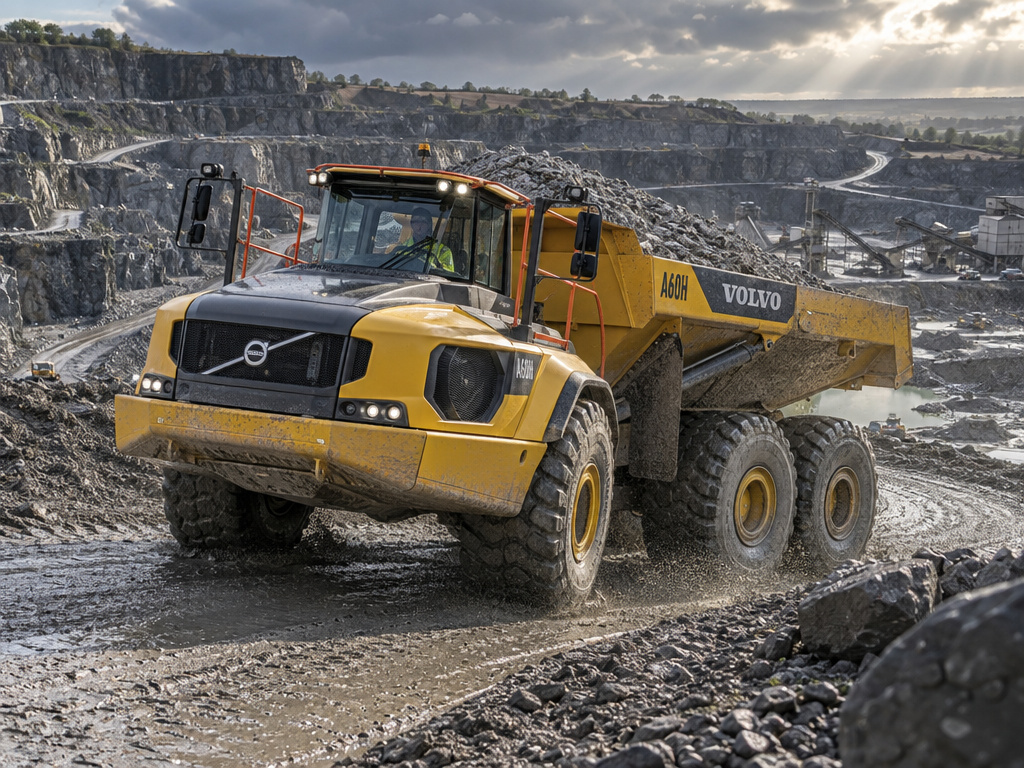
Traditional washing methods often left quarries struggling with massive, stagnant silt ponds that consumed valuable land and risked environmental seepage. Modern advanced wash plants have completely changed this dynamic by treating water as a circular asset rather than a disposable utility. These systems use mechanical separation to pull solids out of the process stream immediately, allowing the liquid to be cycled back into the plant. Implementing advanced water management systems is critical for drastically reducing freshwater consumption and promoting environmental stewardship in aggregate production.
The core of this sustainable shift lies in the integration of water recycling clarifiers, which use gravity and chemical flocculants to settle fine particles. In a typical setup, dirty water from the screening process enters a large tank where suspended solids clump together and sink to the bottom as sludge. This allows the clean water at the top to be siphoned off and pumped back to the spray bars within seconds. Advanced wash plants can reduce freshwater consumption by up to 90%. For an operator, this means the facility no longer depends on local well capacities or seasonal rainfall to maintain a steady output of clean stone.
I have seen many sites struggle with “slop” management, where the byproduct of washing becomes a logistical nightmare that halts production. A lamella clarifier solves this by using a series of inclined plates to increase the settling area without requiring a massive footprint. This technology is significantly more efficient than older, circular thickeners because it forces the water to travel a shorter distance before the sediment drops out.
It is the difference between waiting hours for a pond to settle and having usable water ready in minutes. Skip the traditional settling pond approach unless your site has unlimited space and zero environmental oversight; the mechanical alternative is simply superior.
To achieve a truly dry waste output, many facilities now pair their clarifiers with a filter press. This machine takes the thickened sludge and squeezes it under immense pressure between recessed plates. The result is a stack of solid, manageable “cakes” and a final burst of recovered water.
These dry cakes are much easier to handle than liquid tailings, as they can be stacked, sold as low-grade fill, or used for site reclamation. It eliminates the need for expensive dredging operations and the safety risks associated with deep silt lagoons.
Operational advantages extend beyond just saving water. Clean water is less abrasive on pumps, pipes, and nozzles compared to the gritty, recirculated “gray water” used in older plants. By feeding the spray bars with clarified water, the internal wear on the plumbing system is significantly reduced, leading to fewer mid-shift nozzle replacements.
It also ensures that the final aggregate product is truly clean, free of the dusty films that can compromise the bonding strength of concrete or asphalt. High-quality washing is not just a preference; it is a requirement for high-specification infrastructure contracts.
Effective water management also serves as a hedge against tightening environmental regulations. In many regions, the permits required to discharge any amount of process water into local streams are becoming nearly impossible to obtain. By operating a closed-loop system, a quarry effectively removes itself from that regulatory headache.
It demonstrates a level of environmental stewardship that builds trust with local communities and planning boards. This proactive stance is often the deciding factor in whether a quarry is allowed to expand its footprint or extend its operating hours.
Managing the fine particles and water is only one half of the sustainability equation. While the water is being cleaned and the silt is being pressed, the site must also contend with the physical disturbances inherent in moving thousands of tons of rock. The focus naturally shifts toward the visible and audible impacts of these machines on the surrounding landscape. Monitoring the movement of fine dust and the reach of mechanical noise becomes the next logical step in maintaining a site that is both productive and compliant with modern standards.
Dust, Noise, and Recycled Aggregates
Strict local zoning laws and urban encroachment mean that a quarry can no longer operate as an isolated island of heavy industry. Aggregate Production in 2026 requires a “good neighbor” policy where dust and noise are managed as strictly as the final product grading. By integrating automated suppression with the processing of Recycled Concrete and Asphalt (RCA/RAP), operators can transform a site from a source of local complaints into a center for the circular economy. This shift is not just about staying compliant with the law; it is about securing the social license to operate in increasingly crowded regions.
Dust control used to mean a worker with a hose, but today it involves automated suppression systems that react to environmental conditions. I have seen plants where high-pressure misting nozzles are strategically placed at conveyor transfer points and crusher inlets to trap airborne particles before they leave the equipment housing. These systems use significantly less water than traditional spraying because the ultra-fine droplets bind to dust more effectively. When these misting lines are paired with modern enclosure techniques, such as heavy-duty rubber skirting and sealed chutes, the visible plume from a primary unit virtually disappears.
Noise mitigation follows a similar path of physical containment and smart design. Sound travels easily through steel structures, so managers now use acoustic dampening liners and modular enclosures to muffle the roar of vibrating screens and impactors. It is common to see 2026-era plants using rubber or polyurethane screen media instead of steel wire, which reduces the “clatter” of stone hitting the deck by several decibels. This reduction is often the difference between being allowed to run a night shift or being forced to shut down at sunset, directly affecting the plant’s total annual yield.
Beyond managing disturbances, the most significant change in the industry is the move toward circularity through the processing of demolition waste. Rather than just mining virgin rock, modern plants are becoming hybrid facilities that accept old road surfaces and building foundations. Processing Recycled Asphalt Pavement (RAP) requires specialized handling to ensure the bitumen content is preserved for new mixes, but it provides a massive advantage in the green building market. Contractors are increasingly looking for suppliers who can provide high-quality recycled material to meet LEED or BREEAM certification requirements for infrastructure projects.
The transition to recycled materials is not just an environmental choice; it is a logical business move that saves on extraction costs and landfill fees. To successfully integrate these materials, a plant must be capable of handling varying feed stocks without losing precision. The following steps are typically used to bring recycled products into the production stream:
- Pre-sorting and Decontamination: Removing wood, plastic, and metal from incoming demolition waste using magnets and air separators.
- Primary Sizing: Breaking down large slabs of concrete or asphalt into manageable chunks that the secondary crushers can handle.
- Fractional Screening: Separating the crushed recycled material into specific sizes that match the performance of virgin stone.
- Blending: Mixing recycled aggregates with virgin material at precise ratios to meet engineering specifications for road base or sub-base.
- Quality Testing: Ensuring the recycled product meets the same durability and load-bearing standards as 100% natural aggregate.
Establishing positive community relations is the final piece of this sustainable puzzle. When a quarry shows it is actively reducing its footprint through noise barriers and recycling, the local pushback against site expansions often softens. I once visited a site where the operator used real-time decibel monitors at the property line, with the data publicly available to the local council. This level of transparency, combined with a commitment to the circular economy, proves that aggregate production can be a high-tech, low-impact industry.
The modern blueprint for a successful site is no longer just about the volume of rock moved, but the efficiency with which every byproduct is managed. Producers who ignore the demand for recycled materials or the need for quiet operation will find themselves sidelined by more agile competitors. In the 2026 market, the most profitable plants are those that treat environmental constraints as opportunities for technical innovation. Using Recycled Concrete Aggregate (RCA) as a standard product line is becoming as common as selling traditional crushed limestone.
Conclusion
The transition from raw geological deposits to high-quality construction material is no longer a matter of brute force. Success in the modern landscape depends on a tightly orchestrated system where data-driven planning informs every physical strike against the rock face. By integrating 3D drone mapping with precision blasting, operators ensure that the very first stage of production reduces the mechanical strain on every machine that follows.
Efficiency gains are solidified through the strategic selection of crushing and screening hardware tailored to specific material hardness. This methodical approach ensures that plants meet strict ASTM standards while minimizing the energy wasted on over-crushing or unnecessary recirculating loads. The industry has moved into an era where sensors and telematics provide a constant pulse on machine health, allowing for predictive maintenance that stops catastrophic failures before they occur.
- Precision blasting reduces fuel consumption. By achieving optimal fragmentation at the start, haul trucks carry more consistent loads and primary crushers face less resistance.
- Water recycling clarifiers save resources. Modern wash plants can recover and reuse enough process water to reduce freshwater consumption by up to 90%.
- Telematics prevent downtime. Real-time vibration and heat sensors on conveyor belts and screens allow teams to fix small issues before they lead to total plant shutdowns.
- Circular economy integration. Processing recycled concrete and asphalt (RCA/RAP) allows producers to enter the green building market while reducing landfill waste.
The next phase of development points toward fully autonomous fleets and AI-driven plant adjustments that react instantly to changes in rock density or moisture levels. These technologies will further refine the balance between high-volume output and environmental stewardship. For those managing these sites, the immediate priority is to audit existing data streams. The reader should review their current fleet management logs to identify bottlenecks in haul cycles or check sensor historical data for recurring vibration spikes in primary screens.
Refining the Aggregate Production workflow ensures that infrastructure remains durable, cost-effective, and sustainable for decades to come. Precision at the quarry translates directly to stability on the road.
Frequently Asked Questions
What is the primary purpose of aggregate production?
Aggregate production transforms raw rock into standardized materials like sand, gravel, and crushed stone. These materials are essential for construction, forming the foundational components of roads, buildings, and other infrastructure projects globally.
How do environmental regulations impact modern aggregate production?
Environmental regulations increasingly demand sustainable practices, leading to innovations in water management, dust and noise mitigation, and the integration of recycled aggregates. These measures aim to reduce the industry’s ecological footprint and improve community relations.
What role does automation play in optimizing aggregate production?
Automation, through telematics and IoT, monitors machine health, prevents downtime, and optimizes logistics. Predictive maintenance, based on real-time data, shifts from reactive repairs to scheduled, proactive interventions, significantly boosting operational efficiency and reducing costs.
What types of equipment are crucial for crushing and screening aggregates?
Jaw crushers are typically used for primary crushing of hard, abrasive rock, while cone or impact crushers handle secondary stages. Screening equipment then precisely sorts material by size, ensuring the final product meets strict industry specifications like ASTM standards.