

Dust suppression systems help you reduce airborne quarry dust and respirable crystalline silica, protecting workers from lung disease and improving visibility. Extraction hoods and filters capture dust at crushers and transfer points, while correctly placed sprays or mists bind particles before they spread. Select controls for your material, processes, water supply and local risks, and maintain them routinely. Combine suppression with risk assessments, exposure monitoring and clear records to support UK health and environmental compliance. The sections below explain what to take into account.
Where Quarry Dust Comes From and Why It Matters
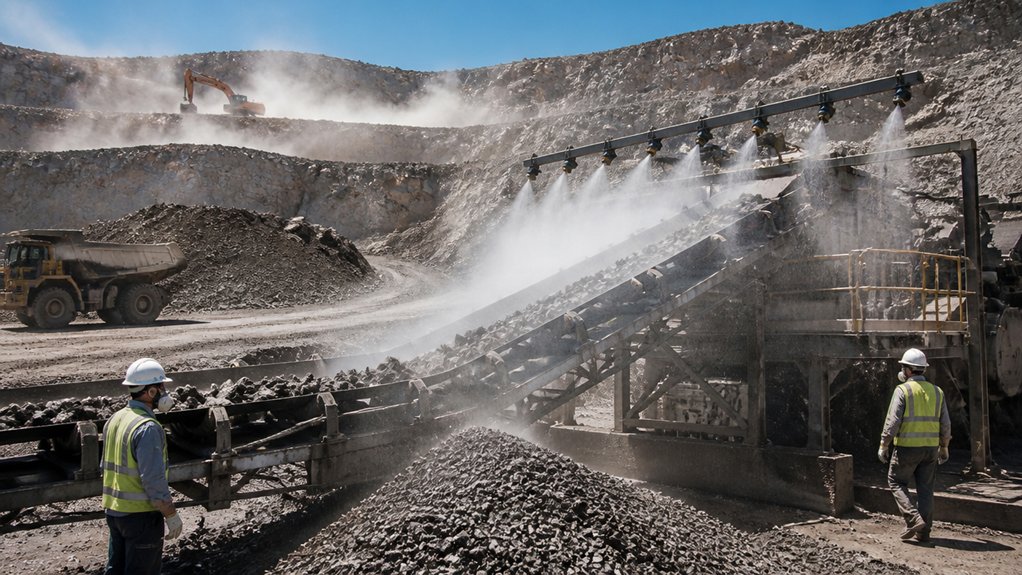
Quarry dust is generated when you drill, blast, crush, screen and move rock, with dry weather and vehicle traffic keeping fine particles airborne. You’ll find emissions at processing points, stockpiles, haul roads and transfer areas.
Their size and composition depend on the stone: respirable crystalline silica can arise when you work with silica-bearing rock, while other particles may contain minerals or metals.
Health hazards include irritation and, with repeated exposure to respirable silica, silicosis and other serious lung disease. You should assess exposure under COSHH, monitor where required and protect workers, including contractors and drivers.
Environmental impact extends beyond the site: wind can carry dust onto neighbouring homes, crops and habitats, while deposition may affect watercourses. Complaints, poor visibility and contaminated surfaces can also disrupt operations and strain community relations.
How Quarry Dust Suppression Systems Work
To control airborne dust, suppression systems capture particles at source or bind them before they spread. At crushers, screens and transfer points, extraction hoods draw dusty air through ducting to filters, where captured material stays contained. Enclosed conveyors and local extraction limit escape into work areas.
Water-based systems use sprays or mist to wet dust. Fine droplets collide with airborne particles, making them heavier so they settle onto surfaces. Correct droplet size and placement matter: poorly aimed sprays can miss dust, wet product unnecessarily or reduce visibility.
You’ll often see extraction and suppression used together, with controls matched to the process. Sensors can monitor particulate levels and trigger equipment when dust rises. This supports Air quality and helps you assess system efficiency against site conditions.
Effective controls also reduce workers’ exposure and dust migration beyond the quarry boundary.
Choose and Maintain the Right Suppression System
Choose a suppression system by evaluating each dust source, the material being handled, water availability and the risk to workers and nearby communities. Match sprays, fogging or foam to the task: sprays can suit conveyors and transfer points, while finer droplets may capture airborne dust where wind and evaporation permit.
Check the system’s performance against site conditions and relevant UK environmental permits, including discharge limits and water-use requirements. Consider the environmental impact of runoff, additives and energy consumption before installation.
Automated controls can activate suppression when plant operates or sensors detect dust, helping you target water use. Set clear inspection intervals and keep maintenance records. Check nozzles for blockages, pumps and filters for wear, and pipework for leaks.
Test controls routinely, replace worn parts promptly and review performance after process or weather changes. Train operators to report faults and follow isolation procedures before servicing equipment.
Protect Workers, Equipment, and Visibility
Well-maintained suppression helps protect workers from respirable dust, which can cause serious lung disease after repeated exposure. By controlling dust at crushers, screens, transfer points and haul roads, you can improve air quality across the site and reduce exposure during routine tasks.
Choose controls suited to the material, process and weather, then check nozzles, water supply and extraction regularly. Don’t rely on suppression alone: maintain suitable respiratory protection and follow your site’s risk assessment.
Dust also settles inside engines, bearings, electrical enclosures and cooling systems. Effective control can support machinery performance, limit abrasive wear and reduce unplanned maintenance.
Clearer sightlines help operators see people, vehicles and hazards, especially around loading areas and plant crossings. You’ll still need safe speeds, separation and good lighting; suppression complements these controls rather than replacing them.
Meet Dust Rules and Keep Clear Records
Quarry operators must meet UK dust-control duties under the Control of Substances Hazardous to Health Regulations (COSHH), including evaluating exposure and putting effective controls in place. You should assess tasks that generate respirable crystalline silica, then select suitable suppression, extraction and work practices.
Check that sprays and other controls operate effectively, and arrange exposure monitoring where your risk assessment indicates it’s needed.
Keep clear, dated records of risk assessments, monitoring results, inspections, maintenance, training and corrective actions. These help you demonstrate compliance during audits and identify failing controls before workers face unnecessary exposure.
Review records after process changes, incidents or complaints, and update your controls accordingly. Track Air quality and Environmental impact concerns, including dust leaving site, to support proportionate action and responsible operations.
Assign ownership for checks, retain evidence securely, and make relevant information accessible to workers and regulators.